Inquiry
Form loading...

2026 Best Spectacle Boxes for Wholesale Buyers

Wholesale buyers in 2026 need Spectacle Boxes that protect frames, present them well, and remain practical at scale. The stakes are clear: Grand View Research’s Eyewear Market Size, Share & Trends Analysis, 2024–2030, estimated the global eyewear market at $183.36 billion in 2023 and projected 8.3% compound annual growth through 2030. That report tracks eyewear, not spectacle-box sales, so it signals a growing product market rather than guaranteed packaging demand. A box still has to earn its place.

This guide compares options by fit, materials, finish, customization, minimum order quantities, and supplier consistency. Picture a frame shifting inside an oversized case, or a hinge pressing against a thin lid during transit. Small details matter. So does repeatability: a sample may look sharp, while a larger order varies in color or construction. Buyers should request specifications and production samples before committing.

There is one credibility gap worth stating plainly: no verifiable, named Spectacle Boxes specialist quotation was supplied for this introduction. Inventing one would mislead readers. Instead, the recommendations should be checked against supplier documentation and real samples. Not just catalog photos. The best choice is not automatically the most luxurious box; it is the one that protects the product, fits the brand, and works reliably at the buyer’s order volume.

2026 Best Spectacle Boxes for Wholesale Buyers

What Spectacle Boxes Are and How They Protect Eyewear

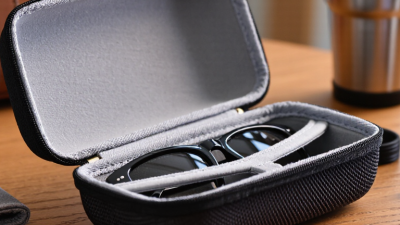
A spectacle box is a fitted container that holds glasses when they are not being worn. Most designs combine a shaped shell with a soft inner lining. The shell helps resist crushing in a bag, while the lining reduces contact with dust and rough surfaces. That matters for wholesale buyers: a loose pair beside keys can collect scratches fast. A case is not magic, though. It cannot guarantee protection from heavy impact or heat.

The Vision Council’s 2023 Consumer inSights report estimates that about three-quarters of U.S. adults use some form of vision correction. For retailers, that points to a broad need for practical eyewear storage. A well-sized box keeps frames from shifting and helps protect lenses during everyday carrying. Fit matters. A case that is too tight may press on the temples; one that is too roomy lets frames rattle. Hinges, seams, and lining should be checked across samples, not just in product photos.

Tips: Match the interior to the frame shape, and test closure with the glasses inside. Look for a smooth lining and a hinge that opens without catching. Ask suppliers how they check fit consistency between production batches. Small flaws can slip through.

Common Spectacle Box Types, Materials, and Features

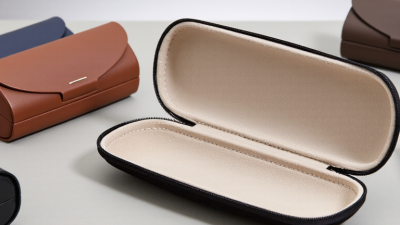
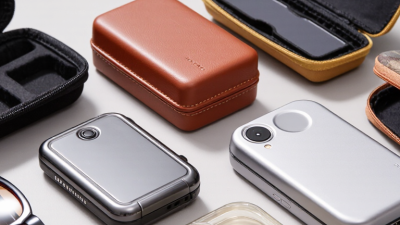
Wholesale buyers need to compare more than color and price when choosing spectacle boxes for different frame styles. Rigid hinged cases protect frames well during stacking and delivery. They suit metal or acetate frames, but their bulk can raise shipping costs. Soft sleeves take less space. They work for lightweight frames, though they offer less impact protection. Folding cases sit between the two. Check how securely their panels lock before ordering large quantities.

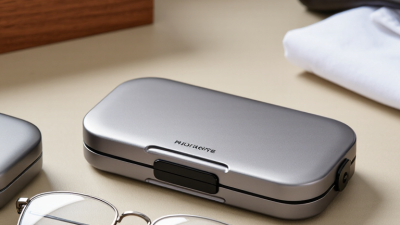
Material affects both feel and upkeep. PU leather gives a smooth, wipeable finish, while metal shells offer a firm structure and a cooler touch. Recycled fabric or paperboard may suit simpler packaging needs, but ask for clear material specifications before making environmental claims. Inside, microfiber lining helps reduce surface scratches. It should feel soft, with no loose fibers or rough seams. Small details matter.

Test samples with the actual frame sizes you plan to sell. Check the hinge, closure, nose-bridge clearance, and space around the temples. A case that closes too tightly may press on the frame; one that is too loose may let it shift. Confirm dimensions, logo placement, and carton packing details in writing. A slim case can look efficient, yet still feel awkward in a customer’s hand. That trade-off is easy to miss.

How to Choose Spectacle Boxes for Wholesale Buyers

For wholesale buyers, choosing spectacle boxes is a fit-and-freight decision, not just a unit-price check. Grand View Research estimated the global eyewear market at USD 183.36 billion in 2024. That figure measures eyewear, not packaging demand, but it shows the scale of products needing reliable storage. The WHO’s World Report on Vision (2019) estimated that at least 2.2 billion people have near or distance vision impairment. It is useful context, not a forecast for box sales.

Measure the widest point of the frame, folded temples, and lens height before approving a box. Measure twice. Allow enough room for easy removal, but avoid a loose fit that lets frames knock against the shell. Check hinge movement, lining seams, and whether the closure stays shut after repeated use. A neat sample can still disappoint. Request production samples, then test them with the actual frame styles and shipping cartons.

Compare rigid shells, slim cases, and fabric pouches against your product mix and freight costs. Ask suppliers for material details, carton quantities, lead times, and consistent dimensions across repeat orders. If recycled content matters, request documentation rather than relying on a label alone. The best choice may differ by frame; one case size rarely suits every shape. Run a small pilot order before committing to a full assortment.

How to Evaluate Suppliers, Pricing, and Quality

2026 Best Spectacle Boxes for Wholesale Buyers
How to Evaluate Suppliers, Pricing, and Quality

A wholesale quote is useful only when its specifications are clear. Ask suppliers to state box dimensions, board thickness, lining material, hinge type, and print finish in writing. A small difference in interior width can press against frames or leave them moving during transit. Request a production sample, not just a digital mock-up. Check that the lid closes evenly, edges feel clean, and the lining does not shed fibers. Try it with the heaviest frame in your range. Small tests matter.

Compare prices on the same basis. Confirm minimum order quantity, setup charges, packing method, shipping terms, and expected production time. A low unit price may exclude individual sleeves or sturdy outer cartons. Ask how defects are handled and whether replacement units are covered in the agreement. Get the answer in writing. Calculate landed cost per usable box, not merely the factory price. Forecasts are imperfect, so leave room for demand changes and delays.

Quality control should be repeatable. Ask for the supplier’s inspection points, acceptable defect limits, and a pre-shipment photo report. For a trial order, inspect random cartons and record any warped lids, loose hinges, odor, or color variation. One sample can look excellent while a full batch differs. That possibility is easy to overlook. Choose a supplier who answers technical questions directly and flags limitations early. Responsiveness helps, but it cannot replace consistent measurements and documented checks.

2026 Spectacle Box Supplier Evaluation Priorities

Suggested wholesale buyer scorecard weighting (%)

This illustrative scorecard allocates 100% across six purchasing criteria. Adjust the weights to match your order volume, product specifications, delivery requirements, and sourcing priorities; they are not reported market averages.

2026 Trends in Spectacle Box Design and Sustainability

For wholesale buyers, 2026 spectacle-box design is moving toward lighter structures, simpler material combinations, and practical reuse. The OECD’s Global Plastics Outlook reports that packaging accounted for about 40% of plastic waste in 2019, while only 9% of plastic waste was recycled. Those figures make material choices more than a visual decision. Recycled paperboard, molded-fiber inserts, and water-based coatings can reduce reliance on plastic, but coatings and laminates may complicate recycling. Check the whole box, not just its outer shell. Details matter.

McKinsey’s 2023 consumer research identifies recyclability as a leading packaging concern. For buyers, that points toward clear material labeling and boxes that separate easily into paper and insert components. Slimmer profiles and flat-pack formats can also reduce shipping volume; test them with real frames before placing a large order. A tight hinge can protect lenses, yet extra magnets or mixed-material closures may undermine easy sorting. Small trade-off. Ask suppliers for documented recycled-content figures and packaging specifications, rather than relying on broad “eco-friendly” claims. A textured paper surface may feel premium, but it still needs to resist scuffs in transit. Some choices remain imperfect, and that deserves honest evaluation.

2026 Best Spectacle Boxes for Wholesale Buyers

2026 Trends in Spectacle Box Design and Sustainability

Box Style Common Materials Protection and Practical Features Sustainability Considerations Best Fit for Wholesale Buyers Design Trends for 2026 Buyer Checks
Rigid clamshell case Metal or molded plastic shell, often with a textile or soft-touch lining. Firm structure helps protect spectacles from pressure. A hinge and closure keep the case shut during everyday carrying. Material choice affects recyclability. A single-material construction is generally easier to sort than a case combining several bonded materials. Protective packaging for optical retail, replacement cases, and higher-value eyewear. Simple silhouettes, subtle surface textures, and restrained decoration. Check hinge durability, closure strength, lining attachment, and whether the materials can be separated for disposal.
Fold-flat paperboard case Folding paperboard, with optional paper-based lining or printed coating. Lightweight and space-efficient when shipped flat. Protection depends on board grade, construction, and fit. Paperboard can enter paper recycling streams where local facilities accept the specific coating and construction. Recycled content should be verified with the supplier. Large-volume orders, promotional packaging, and shipping programs where compact storage matters. Minimal printing, natural paper finishes, and designs that reduce extra inserts. Request board specifications and recycled-content documentation; test resistance to crushing and moisture for the intended use.
Molded-pulp case Molded fiber made from recovered paper or other plant-fiber feedstocks, depending on supplier. Formed compartments can hold spectacles in place. Performance varies with shape, wall thickness, and any added coating. May use recycled or renewable fibers. Confirm feedstock, coatings, and local acceptance before making recyclability claims. Buyers seeking fiber-based alternatives for retail presentation or protective inserts. Visible fiber texture and molded forms designed to avoid unnecessary components. Check edge smoothness, fit across frame styles, moisture performance, and the supplier’s material documentation.
Soft pouch Cotton, polyester, recycled polyester, microfiber, or blended fabrics. Lightweight and easy to carry; helps reduce scratches when used with clean lenses. It offers less crush protection than a rigid case. Fabric content and end-of-life options vary. Recycled-fiber claims should be supported by supplier documentation. Optical retailers, gift sets, and buyers needing a low-profile accessory alongside a separate protective case. Reusable packaging, compact shapes, and durable drawcord or flap closures. Review seam strength, lint transfer, colorfastness, fabric composition, and compatibility with the intended cleaning instructions.
Recycled-content plastic case Plastic shell containing recycled material, with lining and closure components that vary by design. Can provide a lightweight, washable, rigid enclosure. Protection and durability depend on the resin and case construction. Ask for the recycled-content percentage and supporting documentation. Mixed materials may complicate recycling after use. Buyers prioritizing repeatable production, consistent finishes, and a familiar rigid-case format. Matte finishes, muted colors, and clearer communication of verified recycled content. Confirm resin type, recycled-content evidence, odor, surface quality, closure performance, and relevant market requirements.
Hybrid case with removable insert Rigid outer shell paired with a removable textile, foam, or molded-fiber insert. The insert can cushion frames and may be replaced separately. Protection depends on insert fit and shell strength. Separating components can support repair or replacement, but the materials should be easy to identify and separate. Wholesale programs serving multiple frame shapes or offering replacement accessories. Modular designs that use replaceable parts and reduce the need to replace the entire case. Test insert retention, frame fit, cleaning requirements, spare-part availability, and separation of materials.

Wholesale note: Material names alone do not establish environmental performance. Request current specifications and supporting documentation, and confirm packaging protection, recycling guidance, and product compliance for the destination market. Actual cost, minimum order quantity, lead time, and available customization depend on the supplier and order requirements.