Inquiry
Form loading...

What Are the Top Types of Spectacle Boxes?

Spectacle Boxes may look like simple accessories, but their design affects protection, presentation, and everyday convenience. The wider eyewear market offers useful context. Grand View Research estimated its global value at USD 183.36 billion in 2023 and projected an 8.4% compound annual growth rate from 2024 to 2030. That figure covers eyewear, not spectacle-box sales. It signals a large product ecosystem, while leaving box-specific demand less clearly measured.

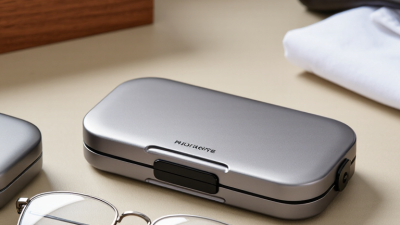
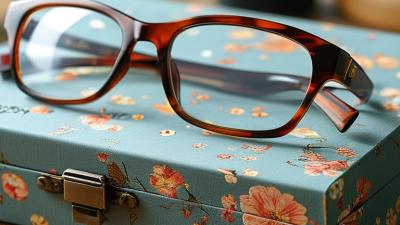
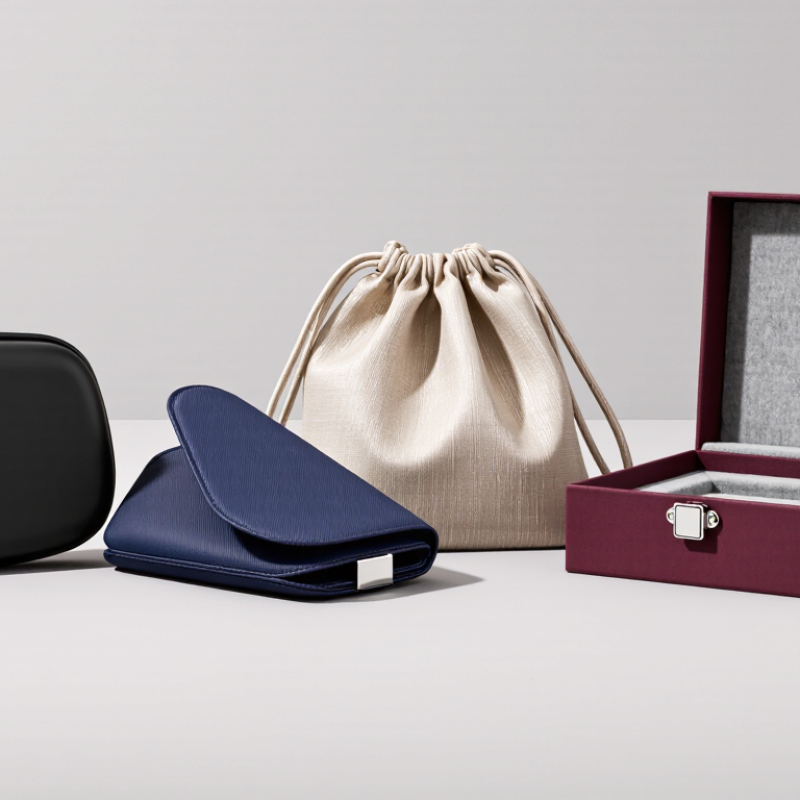
Different types serve different needs. A hard-shell case can protect frames inside a crowded bag. A slim foldable box saves space in a shop display or travel kit. Soft pouches feel light, but offer less crush protection. Magnetic-lid gift boxes can make a pair feel considered before the customer opens them. Details matter. Hinge strength, lining, closure, and fit all shape the experience. A box that looks elegant but lets frames slide is not a good solution.

Industrial designer Dieter Rams’s principle, “Good design is as little design as possible,” offers a useful lens for comparing these formats. It is a design principle, not a spectacle-box-specific recommendation. No directly verifiable quotation from a spectacle-box industry specialist is included here; inventing one would weaken trust. The comparisons ahead focus on visible features and practical trade-offs, not unsupported claims. Some choices remain subjective. That is worth admitting. The right box depends on the frame, the setting, and how much protection the user actually needs.
What Are the Top Types of Spectacle Boxes?

How Spectacle Boxes Are Classified by Design and Use

What Are the Top Types of Spectacle Boxes?

How Spectacle Boxes Are Classified by Design and Use

Spectacle boxes are best classified by structure and daily purpose, not appearance alone. A rigid hinged case has a firm shell that helps resist pressure in a bag or desk drawer. It suits prescription glasses that need dependable protection. A soft pouch is lighter and takes little space, but offers less resistance to crushing. Slim sleeves work well for readers carried in a coat pocket. They can feel awkward with oversized frames.

Some designs serve specific routines. Folding cases reduce bulk for travel, while multi-pair boxes keep frames separated at home. Sports-oriented cases often have secure closures and tougher outer materials. Check the lining, hinge, and opening before choosing. A soft interior can help limit lens scratches, but grit may still collect inside. No case is perfect. The right choice depends on where glasses are stored, how often they are handled, and whether compactness matters more than protection.

Tips: Match the interior size to the frame, including its temples. Keep the case dry, and brush out dust occasionally. If the lid presses against the lenses, choose a larger size. Small detail, big difference.
Hard-Shell Spectacle Boxes for Maximum Protection

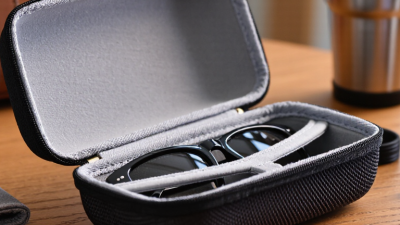
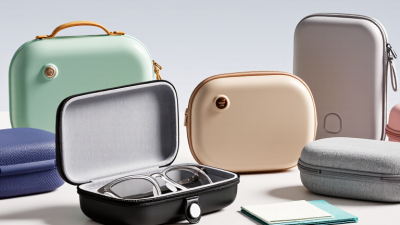
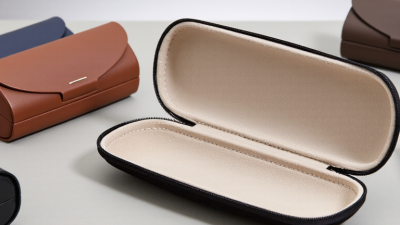
A hard-shell spectacle box helps protect glasses from pressure in a bag, drawer, or crowded desk. Its firm outer shell can resist everyday knocks better than a soft pouch. That matters. A book or water bottle pressing against loose frames may bend them or scratch the lenses. Inside, a soft lining helps prevent rubbing, while a secure closure keeps the glasses from slipping out. The fit should be snug, not tight: oversized frames can strain the hinges if the box forces them into place.

Hard shells have limits. Not foolproof. They may crack under heavy impact, and most should not be treated as waterproof unless the maker says so. Before choosing one, check that the frame sits without pressure and that the lid closes smoothly. A little movement is acceptable; repeated rattling is not. For daily use, consider the box’s size and hinge quality, since a bulky case can be protective but inconvenient to carry. Keep the lining clean, too—fine grit can still mark lenses. It is easy to assume a rigid exterior solves every storage problem, but careful fit and ordinary handling matter just as much.

Soft and Foldable Cases for Everyday Portability

Soft, foldable spectacle cases suit everyday carrying when a rigid box feels too bulky. A flexible outer shell slips into a coat pocket, tote, or backpack without taking much space. Inside, a soft lining helps limit scuffs from dust and ordinary contact. They are light to carry. That convenience matters on a crowded commute or a short walk between errands.

A good case should hold frames without squeezing the temples or letting the lenses rub against the closure. Check that the opening stays secure and the seams feel firmly stitched. Some designs fold flat when empty, which saves room in a drawer or travel bag. Before folding, remove the spectacles; bending a case around frames can put pressure where you least want it.

Soft cases are not a substitute for rigid protection. A heavy book or water bottle in the same bag may still press against the lenses. That trade-off is easy to miss. Choose a lined interior and a close-fitting shape, and keep the case in a separate pocket when possible. Fabric can also collect lint, so an occasional gentle wipe helps keep the inside clean.

What Are the Top Types of Spectacle Boxes?

Soft and foldable cases are easy to carry, while rigid cases generally offer more protection.

Ratings use a practical 1–5 scale, where 5 is highest. They illustrate typical trade-offs; actual portability and protection vary by case size, materials, and construction.

Specialty Boxes for Multiple Pairs and Sports Eyewear

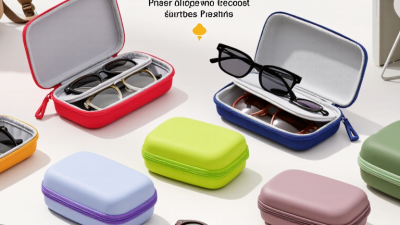
Specialty spectacle boxes solve a simple problem: different glasses need different kinds of protection. A multi-pair case with separate, padded compartments can keep prescription frames from rubbing against sunglasses or spare lenses. Look for dividers that hold frames by the temples, not just by the lenses. A soft lining helps limit surface scratches, while a firm outer shell guards against pressure inside a packed bag. Small details matter. Yet dividers can make a box bulky, and that trade-off is easy to underestimate.

Sports eyewear needs a different setup. Wraparound frames may not fit standard slots, so check the interior dimensions before buying a case. A roomy shape, secure closure, and washable lining are practical for dusty trails or sweaty gym bags. Ventilation can help damp frames dry, although it does not replace cleaning. For context, Grand View Research’s 2024 Eyewear Market Size, Share & Trends Analysis Report estimated the global eyewear market at USD 183.2 billion in 2023. That figure covers eyewear, not storage boxes; it signals a broad market, not proven demand for any case type. That distinction matters. I would also test a loaded case in the bag it will actually travel in, because advertised capacity can feel different once bulky sports frames are inside.

What Are the Top Types of Spectacle Boxes? - Specialty Boxes for Multiple Pairs and Sports Eyewear

Spectacle Box Type Typical Capacity Typical Size (L × W × H) Common Construction Protection and Features Best Suited For
Single hard spectacle case 1 pair About 16 × 6.5 × 4 cm
(6.3 × 2.6 × 1.6 in)
Rigid molded shell with a fabric or soft lining Helps shield frames and lenses from pressure, scratches, and everyday knocks; may use a hinge or snap closure. Everyday prescription glasses and regular sunglasses
Soft pouch 1 pair About 18 × 9 cm
(7.1 × 3.5 in), laid flat
Microfiber, woven fabric, or padded textile Lightweight and compact; a microfiber lining can help wipe lenses. Offers less crush protection than a rigid case. Short-term storage inside a bag or use with a larger protective case
Folding spectacle case 1 pair About 16 × 6.5 × 4 cm when assembled; folds flatter for storage Foldable panels with a coated or fabric outer layer Forms a protective shape around glasses when in use and takes up less space when empty. Travel, occasional use, and users who want a pack-flat case
Multi-pair organizer case Typically 4–6 pairs About 30 × 20 × 8 cm
(11.8 × 7.9 × 3.1 in)
Structured fabric or rigid-sided case with separate compartments Individual sections help keep frames apart; a zip closure and handle are common features. Home storage or carrying several prescription glasses and sunglasses
Sports eyewear case 1 pair of sports glasses or goggles About 18–22 × 8–10 × 7–9 cm
(7.1–8.7 × 3.1–3.9 × 2.8–3.5 in)
Rigid or semi-rigid shell with a soft interior Often deeper or wider to accommodate curved frames, wraparound lenses, or goggles; some include a zipper and attachment loop. Cycling, skiing, swimming, and other sports eyewear
Travel eyewear case 1–2 pairs, depending on the design About 18 × 8 × 6 cm for a single-pair case Padded or semi-rigid shell, often with a zipper Designed for packing and carrying; may include a small storage pocket for a cleaning cloth or accessories. Commuting, holidays, and keeping eyewear together in luggage

Note: Dimensions are approximate examples. Actual measurements and capacity vary by frame shape, case design, and manufacturer.

How to Choose a Box by Fit, Material, and Use

A spectacle box should fit the frame, not just look compact. Measure the glasses at their widest points, including the hinges, and compare those measurements with the box’s usable interior. Leave a little room so the temples do not press against the sides. For oversized or unusually shaped frames, a standard hard case may feel tight. That small mismatch matters.

Hard cases suit daily bags and offer a firm barrier against crushing, though their shells take up more space. Soft pouches are light and easy to tuck into a pocket, but they provide less protection from pressure. Materials affect handling, too: molded plastic is usually easy to wipe clean, while fabric can feel warmer in the hand but may collect dust. Check the lining for loose seams or rough edges that could rub the lenses. It’s an easy detail to overlook.

Think about where the box will go. A slim case works well in a small handbag, while a deeper case may better accommodate thick temples or a folded reading frame. For travel, look for a secure closure and a shape that stays shut inside luggage. Open and close the hinge a few times before choosing; a stiff hinge can become irritating with frequent use. There is no perfect type for every situation, and a case that protects well at home may be awkward to carry all day.