Inquiry
Form loading...

China Top Reader Eyeglass Case Suppliers?

Finding China’s top Reader Eyeglass Case suppliers requires more than comparing online catalogs. A polished product page may show attractive colors, neat stitching, and competitive prices. It may not reveal production capacity, material consistency, or inspection practices. This guide introduces practical ways to evaluate Chinese manufacturers and trading companies with greater confidence.

Supplier quality often appears in small details. Check hinge alignment, magnet strength, lining softness, edge finishing, and logo accuracy. Request physical samples before approving bulk production. A case should protect reading glasses inside a handbag, desk drawer, or travel pouch. Weak closures and rough interiors quickly become visible during daily use. They should not.

Reliable sourcing also depends on communication. Ask for material specifications, packaging details, lead times, and quality-control procedures. Review factory photographs carefully, but do not treat them as complete proof. A video call, sample comparison, and independent inspection can provide stronger evidence. Certifications and testing documents should match the actual product and current supplier information.

This article explores China’s leading Reader Eyeglass Case suppliers through product range, customization ability, manufacturing experience, and service reliability. The ranking is not absolute. Supplier performance can change with staffing, materials, and order volume. That is an important limitation. Buyers should test every assumption, especially when selecting cases for retail, promotional, or optical-industry programs. A lower quotation may look appealing, yet inconsistent stitching or delayed delivery can cost more later. Careful evaluation remains the most dependable purchasing advantage.
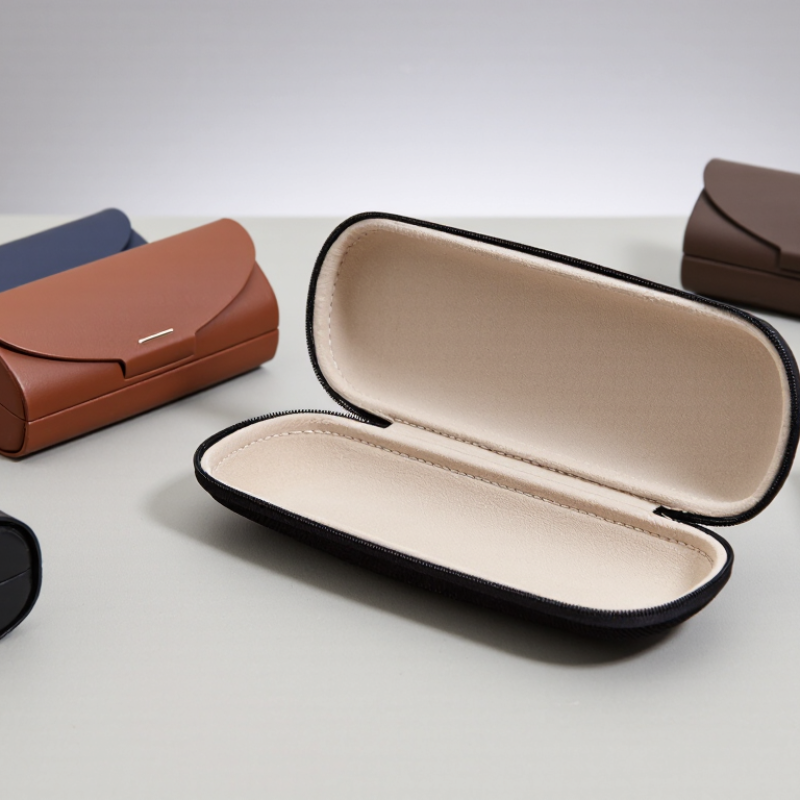
China Top Reader Eyeglass Case Suppliers?

Types of Reader Eyeglass Cases Supplied by Chinese Manufacturers

China Top Reader Eyeglass Case Suppliers?

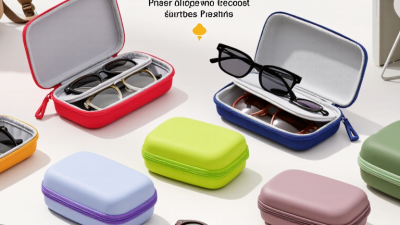
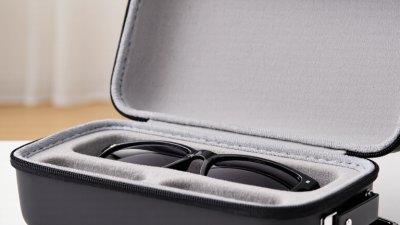
Chinese manufacturers supply several reader eyeglass case types for different retail and daily-use needs. The most common option is the rigid EVA case, formed with compression molding and covered with polyester, nylon, or synthetic leather. It protects lenses from pressure inside a handbag or drawer. Injection-molded PC and ABS cases offer stronger shells and sharper custom shapes. They often suit pharmacies, optical stores, and promotional programs.

Soft microfiber pouches remain practical for lightweight readers and frequent use. Some factories add drawstrings, snap buttons, magnetic closures, or internal cleaning cloths. Folding cases reduce shipping volume, although their hinges deserve careful testing. This is where buyers sometimes underestimate quality. A neat sample may still develop loose seams after repeated opening. Chinese suppliers can provide logo-free OEM samples, color matching, lining changes, and small structural adjustments before mass production.

Demand is supported by a large user base. The World Health Organization’s World Report on Vision states that at least 2.2 billion people live with near or distance vision impairment. Grand View Research also identifies eyewear as a continuing growth market, increasing demand for protective accessories. For sourcing, buyers should request compression tests, hinge-cycle records, odor checks, and dimensional tolerances. EN 166 is mainly for eye protection, not ordinary reader cases, so it should not be used as a misleading quality claim. A better specification lists shell material, lining weight, closure strength, and inspection limits. Small details matter.


China Top Reader Eyeglass Case Suppliers? – Types of Reader Eyeglass Cases Supplied by Chinese Manufacturers

Chinese manufacturers commonly supply hard-shell cases, EVA zippered cases, soft pouches, folding cases, and metal snap cases for reading glasses. The chart compares representative outer lengths frequently used in production specifications; actual dimensions can be customized according to the frame size, material, closure, and packaging requirements.

Key Criteria for Evaluating Chinese Eyeglass Case Suppliers

China remains a major sourcing base for reading-eyeglass cases, but supplier selection requires evidence. The World Health Organization reports that at least 2.2 billion people have vision impairment worldwide. This supports steady demand for practical eyewear accessories. Request factory videos, material specifications, production records, and recent customer references. Small details matter.

Evaluate construction before discussing price. Check stitching density, hinge alignment, surface durability, odor, lining strength, and drop performance. ISO’s 2023 survey recorded more than one million ISO 9001 certificates globally. Certification helps, but it does not guarantee consistent case quality.

Inspect the actual production site and compare approved samples with mass-produced units. A perfect sample can hide weak process control.

Material compliance also deserves attention. Ask for test reports covering restricted substances, especially when cases use coatings, adhesives, metals, or synthetic leather. Confirm whether documents match the exact material batch. The World Bank’s 2023 Logistics Performance Index gave China a score of 3.7, yet national logistics data cannot predict one supplier’s delivery discipline. Review lead-time records, packaging methods, carton strength, and response times during delays.

I would also test a small pilot order. It costs more initially, but it exposes defects before larger commitments. My own judgment would remain cautious when a supplier avoids factory audits or provides vague testing documents.

Leading Manufacturing Regions and Supplier Capabilities in China

China Top Reader Eyeglass Case Suppliers?

China’s strongest eyeglass case suppliers are concentrated around several manufacturing regions. Danyang in Jiangsu supports the optical industry with mature component networks and experienced quality teams. Wenzhou in Zhejiang offers flexible production for spectacle accessories, compact cases, and private-label packaging. Guangdong, especially Dongguan and Shenzhen, is known for precise molding, metal hardware, surface finishing, and fast sample development.

Supplier capabilities vary widely. Some factories produce EVA, PU, leatherette, plastic, and metal-shell cases under one roof. Others focus on a single material and control it better. In factory assessments, I check stitching strength, hinge movement, lining adhesion, odor, logo accuracy, and carton protection. Small details matter. A beautiful sample may still hide weak hinges or uneven edges. That is where buyers often become too optimistic.

Tips: Request samples from at least three regions. Compare compression resistance, interior clearance, and color consistency. Ask for production photos and recent inspection records. Confirm material specifications in writing. A supplier should explain its equipment, inspection points, lead time, and correction process clearly. If answers remain vague, pause before placing a large order. Also, do not judge capability only by low pricing. My own sourcing reviews sometimes miss packaging damage during transit, so trial shipments remain essential.

China Top Reader Eyeglass Case Suppliers? - Leading Manufacturing Regions and Supplier Capabilities in China

Manufacturing Region Relevant Production Areas Typical Case Materials Core Manufacturing Capabilities Reader Eyeglass Case Suitability Customization Strength Best Fit for Buyers
Zhejiang Wenzhou, Yiwu and surrounding light-manufacturing areas EVA, PU leather, polyester fabric, microfiber, plastic and metal components Cut-and-sew production, molded EVA shells, printing, heat transfer, zipper assembly and general packaging Soft cases, semi-hard cases, folding cases and compact protective cases Strong for private-label colors, logos, fabrics, linings and packaging formats Retailers, promotional-product buyers and small-to-medium wholesale programs
Guangdong Dongguan, Shenzhen, Guangzhou and nearby manufacturing centers PC, ABS, PP, TPU, aluminum, PU leather, nylon and technical textiles Injection molding, tooling, metal forming, electronic-accessory integration, surface finishing and export packaging Rigid cases, snap-shut cases, impact-resistant cases and premium structured designs Strong for new molds, complex structures, multi-material assemblies and detailed surface finishes Importers requiring technical products, larger programs or advanced packaging
Jiangsu Suzhou, Kunshan, Nantong and nearby industrial zones Polyester, nylon, PU, microfiber, molded plastics and metal hardware Textile processing, precision sewing, plastic components, quality-control systems and coordinated industrial sourcing Fabric-lined cases, structured soft cases and durable work-oriented designs Good for material combinations, lining specifications, dimensions and functional details Buyers prioritizing repeatability, consistent workmanship and documented specifications
Fujian Quanzhou, Xiamen and surrounding apparel and accessories clusters Textile, canvas, nylon, PU leather, recycled polyester and lightweight metal fittings Soft-goods sewing, embroidery, screen printing, woven-label application and accessory production Soft reader cases, drawstring pouches, fabric sleeves and fashion-oriented designs Good for textile appearance, decorative details, seasonal colors and lifestyle collections Fashion, gift and lifestyle retailers seeking fabric-led product lines
Hebei Baigou and other northern bag-and-case production areas PU leather, PVC, polyester, nylon, EVA and basic metal hardware Bag manufacturing, basic molding, sewing, edge finishing, logo printing and standard packaging Cost-sensitive soft, semi-hard and basic zippered cases Suitable for standard shapes, common materials and straightforward logo applications Budget-focused distributors and standard-volume purchasing programs
Buyer evaluation note: Regional capabilities are typical manufacturing profiles rather than guarantees for every factory. Before placing an order, verify sample quality, material specifications, optical-frame dimensions, hinge or zipper durability, logo tolerances, packaging requirements, compliance documents and production lead time directly with the selected supplier.

Materials, Customization, and Production Standards

China Top Reader Eyeglass Case Suppliers: Materials, Customization, and Production Standards

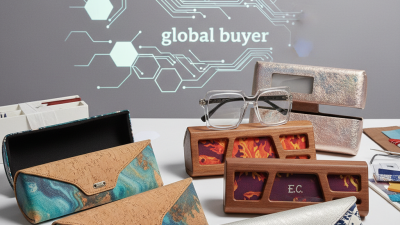
Reliable reader eyeglass case suppliers should explain their materials clearly. Common options include EVA, PU leather, polyester, microfiber, and molded plastic. EVA offers strong impact protection with low weight. PU gives a smoother, more premium appearance. However, surface peeling may appear if the coating is poor. Ask for material samples, thickness details, odor checks, and colorfastness results. A case should protect lenses without creating pressure marks on the frame.

Customization includes size, lining, closure type, printing, and packaging. Suppliers can usually adjust molds for different frame shapes. Small changes matter. A soft lining prevents scratches, while magnetic or zip closures improve daily use. Before bulk production, request a physical sample with your actual glasses. Digital artwork can look accurate, but printed colors may change under factory lighting. This part is often underestimated.

Tips: Confirm sample approval, material composition, logo position, stitching strength, and carton protection in writing. Production standards should include incoming material checks, in-process inspections, and final functional testing. Ask whether the factory follows a documented quality system, such as ISO 9001, and whether inspection records are available. Third-party testing may help verify restricted substances and packaging safety. A low price can be attractive. It can also hide inconsistent sizing, loose hinges, or weak seams. Build a realistic tolerance range, because perfect uniformity is difficult in mass production.

How to Select a Reliable Chinese Reader Eyeglass Case Supplier

Selecting a reliable Chinese reader eyeglass case supplier requires more than comparing unit prices. Grand View Research forecasts the global eyewear market to grow at an 8.1% CAGR from 2024 to 2030. That growth increases accessory demand, but it also attracts inconsistent factories. WHO’s World Report on Vision estimates that at least 2.2 billion people have near or distance vision impairment. A supplier should understand daily carrying, cleaning, and storage needs, not only sewing.

Request a factory profile, recent audit evidence, material specifications, and production photos. Verify whether the workshop controls cutting, stitching, printing, and final inspection. Ask for samples in three conditions: normal use, compression, and repeated opening. Check hinge alignment, lining adhesion, odor, edge finishing, and lens clearance. Small defects become expensive returns. Ask for test records for color fastness, abrasion, and restricted substances, using recognized laboratory methods. ISO 9001 certification can support process control, but it does not guarantee every batch. That distinction matters.

Evaluate communication speed and corrective-action discipline. Send a simple drawing with dimensions, tolerance, logo position, packaging, and carton limits. Compare the approved sample with pre-shipment photos and an independent inspection. International Trade Centre trade data can help review export history, though product codes may combine different case types. Be cautious with unusually low quotes; thin metal, weak magnets, or recycled lining may explain them. A polished sample can hide rushed production. A second sample is worth the delay. Reliability is proven through records, repeat quality, and honest answers.