Why Choose a Thin Reading Glasses Case?
Why Choose a Thin Reading Glasses Case?
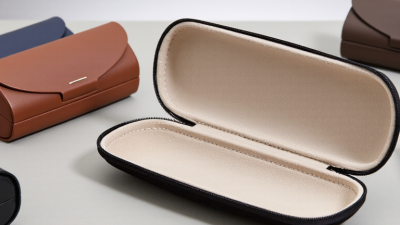
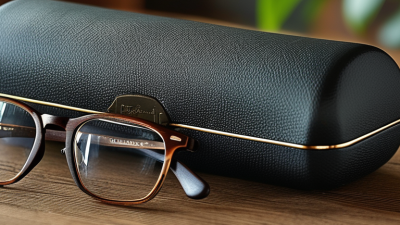
A Thin Reading Glasses Case offers practical protection without adding unnecessary bulk. It fits easily into a shirt pocket, handbag, desk drawer, or travel pouch. For readers who carry glasses daily, those small details matter.
A well-designed case should protect lenses from scratches, dust, and accidental pressure. It should also open smoothly and remain secure during movement. Optometrist and eyewear writer Gary Heiting, OD, has said, “The best eyewear accessories are the ones people actually use every day.” This principle applies strongly to compact reading glasses storage. A case that feels too heavy may stay at home. That defeats its purpose.
Thin cases can also support more organized habits. Imagine reaching into a crowded bag and finding a slim case beside your keys. Your lenses stay cleaner, and the frames face less friction. Some models use hard shells, while others combine flexible interiors with firm outer panels. The right choice depends on frame size, lens shape, and personal routine.
There is one limitation. Not every thin case provides equal impact protection. A very slim design may sacrifice space or cushioning. That trade-off deserves honest attention. Buyers should check the interior lining, hinge quality, closure, and actual dimensions before choosing.
A Thin Reading Glasses Case is not merely a fashion accessory. It is a small daily tool. Its value appears through repeated use, especially when convenience encourages better lens care.
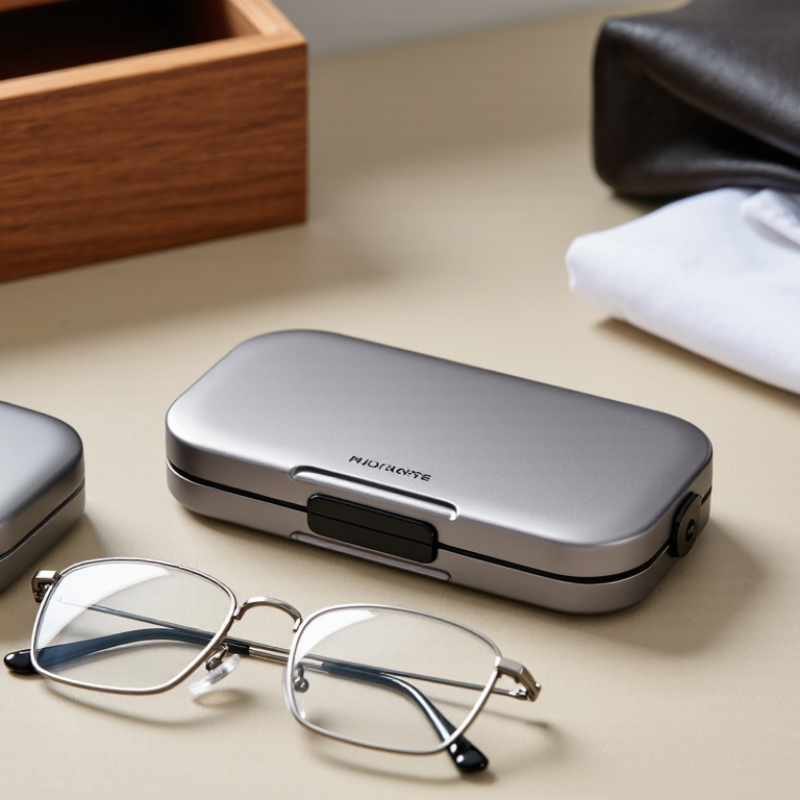
What Are Thin Reading Glasses Cases and How Do They Work?
Why Choose a Thin Reading Glasses Case?
Thin reading glasses cases are compact protective sleeves designed for lightweight, everyday eyewear. They usually use slim plastic, fabric, leather, or layered synthetic materials. Their main purpose is simple: reduce scratches, bending, and pressure inside a pocket or handbag.
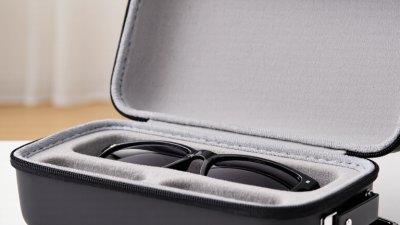
A thin case works by creating a narrow barrier around folded reading glasses. Its firm outer layer resists contact with keys, coins, and loose objects. A soft inner lining helps protect the lenses from fine dust. Some designs use magnetic closures, while others rely on zippers, snaps, or flexible openings. The best closure is the one you can operate without forcing the frame.
Size matters greatly. A case should hold the glasses without squeezing the hinges. However, too much empty space allows the frame to move and hit the sides. Measure the folded glasses before buying. This small step prevents an uncomfortable surprise.
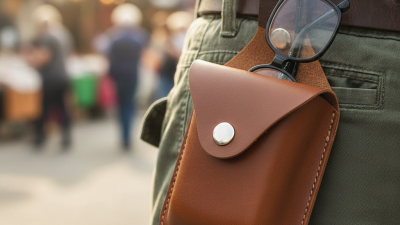
From practical use, thin cases are easier to carry than bulky boxes. They fit into jacket pockets and narrow compartments. Very little bulk.
Still, slim protection has limits. A thin case may not withstand heavy pressure from a laptop or a full travel bag. I once underestimated this difference and found a bent temple after a crowded commute. The lesson was clear, though not pleasant: portability should not replace suitable protection. For fragile frames, a stronger case may be the wiser choice.
Why Choose a Thin Reading Glasses Case? - What Are Thin Reading Glasses Cases and How Do They Work?
A practical comparison of common thin reading glasses case designs, materials, dimensions, and protective features.
Thin Reading Glasses Case Data Table
| Case Type |
Typical Thickness |
Typical Weight |
Common Materials |
How It Works |
Protection Level |
Best Use |
| Soft Slip Case |
Approximately 5–10 mm |
Approximately 10–25 g |
Microfiber, polyester, cotton, or synthetic fabric |
The glasses slide into a flexible sleeve that helps prevent scratches and surface dust. |
Low; limited resistance to crushing |
Pockets, desk drawers, and short-term storage |
| Slim Folding Case |
Approximately 10–18 mm when closed |
Approximately 30–60 g |
Fabric-covered plastic, thin metal, or molded polymer |
Hinged or folding panels create a compact shell around the folded or compact frame. |
Medium; offers some protection against pressure |
Everyday carrying in a handbag, backpack, or work bag |
| Hard Slim Shell |
Approximately 15–25 mm |
Approximately 50–100 g |
Polycarbonate, ABS plastic, aluminum, or rigid composite |
A rigid outer shell keeps objects from directly pressing against the lenses and frame. |
High; strongest protection among thin case styles |
Travel, crowded bags, and long-term storage |
| Magnetic Flat Case |
Approximately 8–15 mm |
Approximately 35–75 g |
Synthetic leather, leather, fabric, cardboard core, or thin polymer |
A magnetic flap or closure keeps the case shut while allowing quick access. |
Medium; depends on the stiffness of the outer panels |
Frequent access at home, work, restaurants, or reading areas |
| Ultra-Thin Frame Sleeve |
Approximately 3–8 mm |
Approximately 5–18 g |
Stretch fabric, microfiber, or thin neoprene |
The close-fitting sleeve covers the lenses and reduces contact with other items. |
Low; primarily protects against scratches and dust |
Minimalist carrying when bag space and weight are priorities |
How thin cases work:
They reduce bulk by using flexible fabrics, slim rigid panels, folding structures, or close-fitting sleeves. Most thin cases are designed to protect lenses from scratches, dust, and light impact; rigid cases generally provide better protection against crushing than soft sleeves.
Data note: Dimensions and weights are typical estimated ranges for adult reading-glasses cases. Actual measurements vary according to the case design, frame size, closure mechanism, and materials used.
How Thin Cases Protect Reading Glasses in Daily Use
Why Choose a Thin Reading Glasses Case?
How Thin Cases Protect Reading Glasses in Daily Use
A thin reading glasses case protects lenses during ordinary daily movement. It prevents contact with keys, coins, and rough pocket fabric. A firm outer layer also reduces bending when the case sits inside a bag. The slim shape takes less space, so people are more likely to carry it consistently.
In my experience, a case with a soft interior helps limit small lens scratches. It also keeps dust from settling on the frames and nose pads. A secure closure matters when the case moves between a desk, jacket, and car. However, thin does not mean indestructible. A lightweight case may not withstand heavy pressure or a sharp impact.
I once assumed every compact case offered equal protection. That assumption was wrong. Some cases flex too easily, while others leave gaps around the glasses. Check the fit before regular use. The glasses should rest without sliding, and the temples should not press against the shell. A clean, dry interior is important too. Moisture can collect after outdoor use, especially in humid weather.
Avoid placing the case under books or heavy equipment. Inspect the hinges and edges occasionally. Small damage can reduce protection sooner than expected. A thin case works best when its design matches the glasses and the user’s routine. Practical protection is rarely about thickness alone.
Key Benefits of Choosing a Thin Reading Glasses Case
Why Choose a Thin Reading Glasses Case?
Key Benefits of Choosing a Thin Reading Glasses Case
A thin reading glasses case protects lenses without filling your pocket or work bag. This matters because the World Health Organization estimates that at least 2.2 billion people have vision impairment worldwide. Many depend on glasses for reading, screens, labels, and daily tasks. A slim case keeps that essential tool close, rather than buried under chargers and notebooks.
The Vision Council’s Consumer Insights research has reported that about 76% of U.S. adults use some form of vision correction. For frequent users, portability becomes a practical concern. A compact case slips into a coat pocket, handbag, or desk drawer. Its firm interior can reduce scratches from keys, coins, and loose stationery. Choose one with enough clearance around the frames. Excess pressure can still bend delicate temples.
Small details matter.
In my experience, the best case is not merely the thinnest one. It should close securely, resist light crushing, and open easily with one hand. A soft lining helps, but it cannot replace careful storage. Some slim designs sacrifice depth for appearance. That trade-off deserves attention. Check the case against your actual frames before buying, especially if they have thick arms or spring hinges. A case that saves space but traps the lenses is not a smart solution.
Materials, Designs, and Features to Consider
Why Choose a Thin Reading Glasses Case?
A thin reading glasses case protects lenses without creating another bulky item in your bag. The World Health Organization reports that at least 2.2 billion people live with near or distance vision impairment. For many readers, glasses travel daily between desks, kitchens, and bedside tables.
Materials matter. Recycled polycarbonate can provide a firm shell with low weight, while recycled polyester or plant-based fabric feels softer. However, “eco-friendly” should not be accepted without evidence. Ask about recycled content, durability testing, and end-of-life options. UNEP’s Global Resources Outlook 2024 states that global resource extraction could rise by 60% by 2060 without major changes. A case that lasts five years may be wiser than one made from fashionable materials. That is not always obvious.
Design affects real use. A slim magnetic or zip closure prevents accidental opening, but weak magnets can fail beside a crowded bag. A microfiber lining helps reduce lens scratches. Rounded edges slide into narrow pockets. A small pull tab improves access, especially for older users. I prefer cases that fit glasses closely, though very tight interiors can stress frames. This is a minor flaw worth checking.
Tips: Measure your folded glasses first. Leave a few millimeters of space. Choose a washable lining. Test the closure repeatedly. Inspect stitching before purchase.
Why Choose a Thin Reading Glasses Case?
A thin case can reduce pocket and handbag bulk while still providing everyday protection. Material density is a useful indicator of potential weight: lower-density materials can help create a lighter case when wall thickness and dimensions are similar.
Representative material densities: EVA foam 0.16 g/cm³, polypropylene 0.90 g/cm³, leather 0.95 g/cm³, ABS 1.04 g/cm³, and aluminum 2.70 g/cm³. Actual density varies by grade, finish, and construction.
How to Choose the Right Thin Case for Your Lifestyle
Why Choose a Thin Reading Glasses Case?
How to Choose the Right Thin Case for Your Lifestyle
A thin reading glasses case works best when it matches your daily routine. I carry mine between a desk, kitchen counter, and crowded coat pocket. A bulky case often stays home, which defeats its purpose. A slim case fits beside a phone or notebook without creating a hard lump. However, thin does not mean fragile. Look for a firm shell, secure closure, and enough interior space to prevent lens pressure.
Your lifestyle should guide the material and shape. For commuting, choose a lightweight case with a smooth exterior that slides into a narrow bag pocket. If you work outdoors, a stronger case and lined interior can help protect against dust and accidental drops. Readers who switch between distance glasses and reading glasses may prefer a flat case with an easy-open hinge. Test it with one hand. Small detail, big difference. Some cases feel convenient in a shop but awkward on a bus.
Check the fit before trusting it. Place your folded glasses inside and close the case gently. The temples should not bend, and the lenses should not touch the walls. A microfiber lining may reduce scratches, but it still needs regular cleaning. I once ignored this detail and carried grit inside for weeks. Not my best habit. Also consider visibility: a bright interior makes glasses easier to find in dim rooms. Measure your frames, because “universal” sizing is not always universal.