Inquiry
Form loading...

Why Choose Polarized Eyeglasses for Global Sourcing?

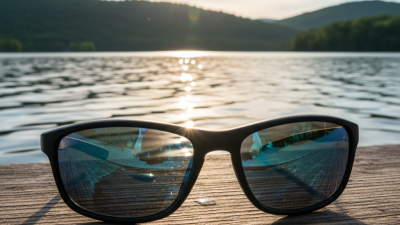
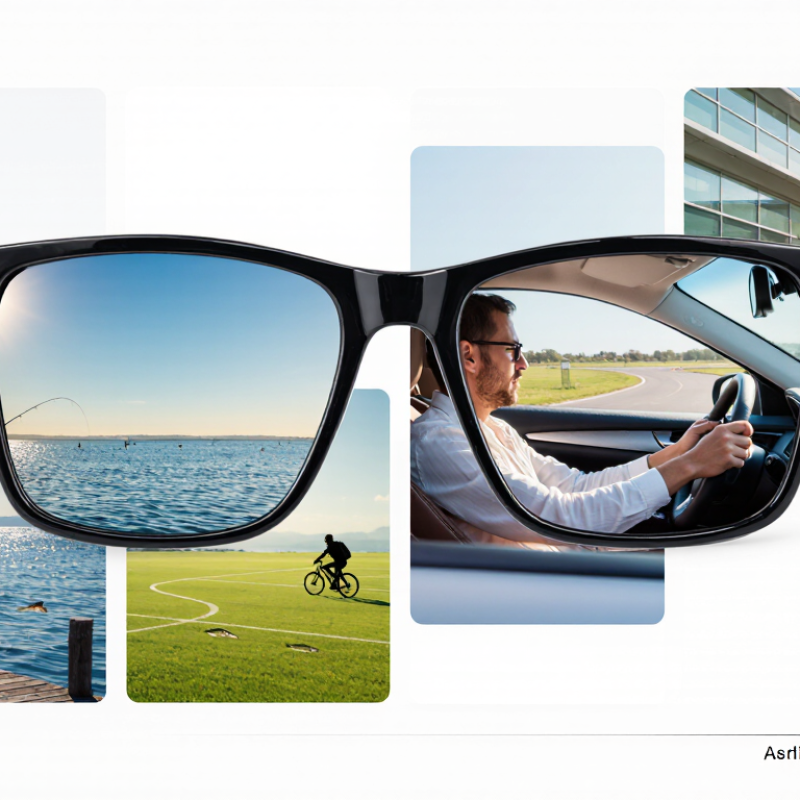
Choosing Polarized Eyeglasses for global sourcing involves more than selecting a fashionable frame. It requires careful attention to optical performance, supplier capability, certification, and user comfort. In bright coastal markets, polarized lenses can reduce glare reflected from water, glass, and wet roads. A driver may notice less visual strain during a midday journey. A fisherman may see the water surface with greater clarity. These practical benefits make Polarized Eyeglasses attractive across outdoor, automotive, sports, and travel segments.

Optometrist Gary Heiting, OD, has explained, “Polarized lenses reduce glare from reflective surfaces, but they do not replace UV protection.” This distinction matters. Polarization improves glare control, while proper UV filtration supports eye protection. Buyers should request test reports, lens specifications, coating details, and production samples before placing large orders. Supplier audits can also reveal inconsistencies in tint, hinge alignment, packaging, or declared materials. Small defects become expensive when multiplied across thousands of units.

Global sourcing still involves uncertainty. A lens may perform well in a sample and vary during mass production. A low price may hide weaker coatings or unstable quality control. That is why experienced buyers compare suppliers against measurable standards, not attractive catalog images alone. They should also check regional labeling requirements and consumer expectations. Polarized Eyeglasses are not automatically superior in every situation; some digital displays may appear darker or distorted at certain angles. A thoughtful sourcing strategy recognizes this limitation. It asks better questions before committing, and it leaves room for correction.
Why Choose Polarized Eyeglasses for Global Sourcing?

How Polarized Eyeglasses Reduce Glare and Improve Visual Comfort

Why Choose Polarized Eyeglasses for Global Sourcing?

Polarized eyeglasses use a filter that reduces reflected glare, especially from flat surfaces like water, roads, and shop windows. This can make bright outdoor scenes feel more comfortable to view. A driver may notice less shimmer on a wet road, while someone near a lake may see fewer harsh reflections. The lenses do not make every scene clearer, though. They can also make some phone screens or instrument displays harder to read, depending on the screen and viewing angle.

Comfort depends on more than polarization. Lens tint, fit, optical quality, and the wearer’s needs all matter. For sourcing, request clear specifications and sample lenses, then compare them in realistic conditions: outdoors, in a vehicle, and beside common digital displays. Check whether the glare reduction feels useful without making colors or details seem unnaturally dim. Small differences can matter.

Tips: Ask suppliers how polarization is tested, and confirm that samples match the stated specifications. Try viewing an LCD screen through the lenses before approving an order. A quick check helps, but it is not a substitute for independent quality testing.
Key Lens Features and Performance Benefits for Buyers

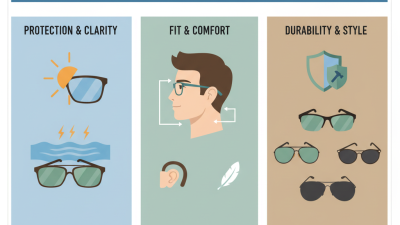
Polarized lenses use a filter to reduce reflected glare from flat surfaces such as water, roads, and glass. For buyers comparing suppliers, the key detail is not simply whether a lens is polarized, but how consistently it performs across production batches. Request test data for polarization efficiency, visible light transmission, and UV protection. These measurements help match lens options to intended use and local market expectations.

Look closely at lens material, tint, and coating quality. A gray tint can preserve color perception, while brown or amber may improve contrast in some bright conditions. Results vary by wearer and setting. Anti-scratch and anti-reflective coatings can support daily use, but they do not make lenses scratch-proof. Ask suppliers how coatings are tested, and inspect samples under direct light for uneven color, edge defects, or distracting reflections.

Fit matters too. Lens coverage, frame shape, and wraparound design affect how much glare reaches the eye from the sides. Small details count. Buyers should compare samples in realistic conditions, not only under showroom lighting. One weakness in this process is that sample quality may not reflect later production, so clear specifications and batch checks are worth planning before an order.

Material, Design, and Manufacturing Options in Global Sourcing

Polarized eyewear sourcing starts with matching lens material to the intended use. TAC lenses are lightweight and common in everyday sunglasses, while polycarbonate offers impact resistance for active wear. CR-39 can provide clear optics, but it may be heavier. Ask suppliers for written specifications on lens thickness, UV protection, polarization performance, and allowable color variation. A dark lens is not automatically a well-performing lens.

Design choices affect comfort and production consistency. Frame options include acetate, injection-molded nylon, and metal, each with different weight, flexibility, and finishing needs. Check how the bridge sits on varied face shapes. Small details matter: a hinge that feels stiff in a sample may loosen after repeated opening. It is worth testing more than one size. Fit can be overlooked.

Manufacturing plans should include sample approval, inspection criteria, and checks at multiple production stages. Compare lens color and polarization across several units, not just one handpicked sample. Ask how the factory controls alignment, coating defects, and frame dimensions, and request records for relevant tests. A polished prototype can hide uneven mass production. I would allow time for revisions, though sourcing schedules do not always make that easy. Clear tolerances and documented checks make problems easier to identify before shipment.

Quality Standards, Certifications, and Supplier Evaluation Criteria

Why Choose Polarized Eyeglasses for Global Sourcing?
Quality Standards, Certifications, and Supplier Evaluation Criteria

Polarized eyeglasses can reduce reflected glare from roads, water, and glass surfaces. For global sourcing, optical performance must be supported by documented quality controls. Buyers should request testing against recognized standards, such as ISO 12312-1, ANSI Z80.3, or AS/NZS 1067.1, depending on the target market. UV protection claims should also be verified through laboratory data, not printed labels alone.

A reliable supplier should provide current test reports for the exact frame and lens combination. Check the laboratory’s accreditation, report number, sample description, and testing date. The report should match the production model. Ask for evidence. In factory audits, review incoming material inspection, lens polarization checks, UV transmittance testing, and final sampling records. Hinge cycles, frame alignment, lens scratches, and salt-spray resistance deserve attention.

Supplier evaluation should include traceability from raw materials to packed goods. Confirm batch coding, corrective-action procedures, worker training, and documented calibration for testing equipment. Small details matter. A certificate alone is not enough. I have seen attractive samples fail after repeated hinge use or temperature changes. That experience makes pre-shipment inspection essential. Still, sampling has limits, and buyers should not treat one successful batch as permanent proof. Clear specifications, retained samples, and scheduled re-testing create more dependable sourcing decisions.

Cost, Customization, and Market Considerations for Importers

Why Choose Polarized Eyeglasses for Global Sourcing?

For importers, polarized eyeglasses offer more than glare reduction. They also create room for market-specific positioning. Grand View Research valued the global sunglasses market at about USD 20 billion in 2023, with continued growth expected through 2030. Demand is not identical everywhere. Coastal buyers may prefer stronger UV protection, while drivers often seek gray or brown polarized lenses.

Cost control begins with landed cost, not factory price. Importers should compare lens material, coatings, packaging, inspection, freight, duties, and defect allowances. A low quotation can become expensive after rework. The Vision Council’s 2024 Consumer Insights reported that roughly four in five U.S. adults wear sunglasses sometimes. That supports demand, but it does not guarantee fast sales. Some assumptions may fail.

Customization affects both margin and minimum order quantities. Standard frame shapes usually simplify replenishment. Custom colors, temple logos, recycled packaging, and prescription-ready designs can improve shelf appeal. However, every added option increases sampling time and inventory risk. Polarization quality should be checked through transmission tests, coating inspection, and batch sampling. Product requirements may differ under standards such as ISO 12312-1 or ANSI Z80.3. Importers should verify current destination-market rules with qualified testing partners.

Consumer trust depends on clear claims. “Polarized” should reflect actual test results, not only supplier paperwork. A practical sourcing plan may begin with two frame shapes, three lens colors, and a controlled pilot order. That approach is less exciting, but easier to measure.

Why Choose Polarized Eyeglasses for Global Sourcing? - Cost, Customization, and Market Considerations for Importers
Sourcing Dimension Typical Options or Considerations Cost and Operational Impact Importer Checklist
Polarized lens function A polarizing filter reduces reflected glare from surfaces such as water and roads. Polarization is separate from ultraviolet protection. Polarized lenses generally add material and processing costs compared with otherwise similar non-polarized lenses. Specify polarization and UV protection as separate requirements; request test documentation for both.
UV protection and lens category Lens tint and visible-light transmission determine the sunglass filter category. UV performance must be verified independently of tint darkness. Additional testing, documentation, or specialized lens specifications can affect development and quality-control costs. Define the intended use and destination-market requirements. Do not treat “dark,” “polarized,” or “UV400” wording alone as proof of compliance.
Lens materials Common choices include polycarbonate, other plastic lens materials, and glass. Each differs in weight, impact behavior, scratch resistance, and optical characteristics. Material choice affects unit price, finishing requirements, shipping weight, and the product’s target positioning. Compare samples for clarity, distortion, coating durability, and fit with the intended frame.
Frame materials and construction Options include injection-molded plastics, cellulose-based acetate, and metal constructions. Hinge type, finish, and component quality also matter. More complex designs, premium finishes, and additional components can increase tooling, inspection, and unit costs. Check frame symmetry, hinge operation, coating consistency, and fit across production samples.
Customization Possible choices include frame color, lens tint, coatings, packaging, size, and private-label artwork, subject to supplier capabilities. Custom colors or packaging may require minimum quantities, extra sampling, longer setup, or separate artwork and tooling charges. Confirm which changes are stock options and which are custom; approve color and packaging samples before mass production.
Minimum order quantity (MOQ) MOQs vary by supplier, product, materials, customization, and whether components are already in stock. Lower quantities may carry higher per-unit costs; custom colors and packaging can have separate MOQs. Request MOQ details by model, color, lens specification, and packaging—not just a single headline quantity.
Lead time and replenishment Timing depends on sample approval, material availability, customization, production capacity, inspection, and transport. Custom orders and peak-season demand can extend the planning cycle and increase the risk of stockouts. Obtain separate estimates for sampling, production, inspection, and shipping; build in time for corrective action.
Compliance and testing Requirements depend on the destination market and product claims. Relevant references can include ISO 12312-1 for sunglasses and, in the United States, FDA impact-resistance requirements under 21 CFR 801.410. Testing and technical documentation can add cost and time, especially when multiple markets or product variants are involved. Confirm current rules with qualified compliance support; ensure reports cover the specific lens and frame configuration being imported.
Quality control Inspection may cover lens defects, polarization consistency, UV performance, frame finish, dimensions, hinges, labeling, and packaging. Pre-shipment inspection has a cost, but can help identify defects before goods are dispatched. Agree on written acceptance criteria, sampling plans, defect classifications, and corrective-action procedures before production.
Landed cost The total may include product price, packaging, freight, insurance, customs duties, taxes, brokerage, testing, and inspection. A low quoted unit price does not necessarily produce the lowest delivered cost. Compare quotes on the same Incoterm, order quantity, packaging, destination, and product specification.
Market positioning Polarized styles can suit outdoor activities and driving, but fit, styling, price point, and local consumer preferences influence demand. A focused range can reduce inventory complexity; too many variants may split demand across colors and sizes. Validate styles and price points with target customers before committing to a broad assortment.
Planning note: Specifications, costs, MOQs, lead times, and regulatory obligations vary by supplier, product design, and destination market. Confirm all details in the purchase agreement and with qualified compliance professionals.