Choosing the best Mens Eyeglass Case is a small decision with daily consequences. A poorly fitted case can press against lenses, strain hinges, or collect dust inside its lining. The right one should protect your glasses during commutes, travel, office hours, and unexpected drops.
Optician and eyewear-care specialist Dr. Susan Resnick once said, “A case is part of your eyewear care routine, not an afterthought.” That advice is simple, but useful. A hard-shell Mens Eyeglass Case usually offers stronger impact protection. A soft pouch feels lighter and fits easily inside a jacket pocket. Neither option is perfect. A rigid case may occupy too much space, while a thin pouch may not resist pressure from keys or a wallet.
Start with the frame size. Measure its length, width, and depth before shopping. Your glasses should sit flat without bending at the temples. Look for a smooth interior, especially if your lenses have anti-reflective coatings. Scratchy fabric can quietly damage them over time. A secure hinge matters, too. Weak closures can open inside a backpack.
Materials also deserve attention. Microfiber linings help reduce surface dust, but they still need regular cleaning. Avoid placing wet glasses inside any case. Moisture can create an unpleasant smell and encourage residue buildup. I have learned that convenience often wins over appearance. A stylish case that stays at home protects nothing. Reconsider the details. Choose the case you will actually carry, close, and maintain every day.
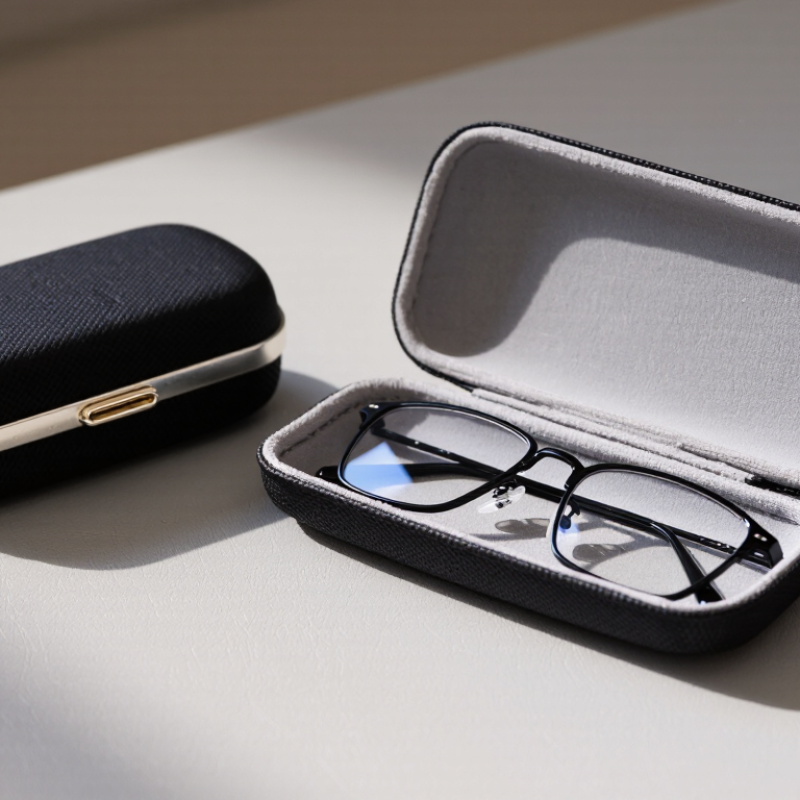
Choosing the best men’s eyeglass case starts with understanding its main types. Each design protects glasses differently, so your daily routine matters.
A hard-shell case offers the strongest protection against pressure and accidental drops. It suits commuters, travelers, and people who keep glasses in a crowded bag. Look for a firm hinge, smooth interior, and enough space for the frames. A case that fits too tightly can bend the temples. Too much room allows the glasses to move and scratch.
Soft pouches are lighter and easier to carry. They work well in a jacket pocket or small shoulder bag. However, they provide limited protection from crushing. Many use fabric, microfiber, or padded materials. A microfiber lining can remove light dust while storing the lenses. It cannot replace proper lens cleaning.
Zip cases add security during travel. Their closed edges help keep out dust and small debris. Folding cases save space, but their joints may wear faster. I once chose a slim case that looked practical, yet it barely protected the frames. That mistake changed my buying habit. I now check the internal measurements, closure strength, and lining before appearance. A reliable case should hold the glasses with the lenses facing upward and without forcing the frame. Personal style matters, but protection should match how the case will be used.
| Case Type | Common Materials | Typical Protection | Typical Capacity | Portability | Best For | Main Advantages | Important Limitations |
|---|---|---|---|---|---|---|---|
| Hard Shell Case | Molded plastic, metal, or rigid composite with fabric or leather-like covering | High protection against crushing, bending, and accidental impact | Usually one pair of standard eyeglasses | Moderate; typically about 16–18 cm long and 6–8 cm wide | Daily commuting, work bags, backpacks, and checked luggage | Strong structure, reliable lens protection, and secure closure | Bulkier and heavier than soft cases; may not fit small pockets |
| Soft Pouch Case | Microfiber, cotton, nylon, polyester, or synthetic leather | Low to moderate protection; mainly guards against dust and surface scratches | One pair; some stretchable pouches fit larger frames | Very high; lightweight and easy to fold or store | Jacket pockets, small bags, and short-term storage | Lightweight, compact, affordable, and often washable | Does not provide dependable crush or impact protection |
| Semi-Rigid Case | EVA foam, reinforced fabric, molded foam, or layered textile | Moderate to high protection against pressure and everyday drops | Usually one pair, with room for medium or large frames | High; lighter and more flexible than most hard shells | Active lifestyles, backpacks, cycling, and frequent travel | Good balance of cushioning, weight, flexibility, and durability | Usually less crush-resistant than a fully rigid case |
| Magnetic or Snap-Closure Case | Leather, synthetic leather, felt, canvas, or reinforced textile | Low to moderate protection, depending on the internal structure | One pair of glasses | High; slim profile suits briefcases and coat pockets | Office use, formal clothing, and quick access during the day | Fast one-handed opening, neat appearance, and convenient access | Closure strength and frame protection vary; not ideal under heavy pressure |
| Folding Case | Textile, synthetic leather, thin plastic panels, or laminated board | Moderate protection when assembled; limited protection when flattened | One pair of standard or medium-size frames | Excellent; folds flat when not in use | Travel, luggage organization, and occasional eyewear storage | Space-saving design and easy storage in drawers or luggage | Hinges or fold lines may wear over time; limited support for oversized frames |
| Multi-Pair Travel Case | Rigid or semi-rigid shell, padded dividers, nylon, and zipper closures | Moderate to high protection with separate compartments | Commonly two to four pairs, depending on the design | Moderate; larger and heavier than single-pair cases | Business trips, vacations, sports, and prescription-plus-sunglasses storage | Organizes multiple pairs and reduces contact between frames and lenses | Takes more space and may be unnecessary for users with only one pair |
| Belt-Loop or Clip-On Case | Nylon, polyester, EVA, leather, or reinforced synthetic fabric | Moderate protection, with added security from the attachment system | One pair, usually standard-size frames | High for hands-free carrying; occupies external space on clothing or gear | Outdoor work, hiking, travel, and hands-free activities | Easy to locate, quick to access, and less likely to be misplaced | Can snag on objects and may be exposed to weather or accidental impact |
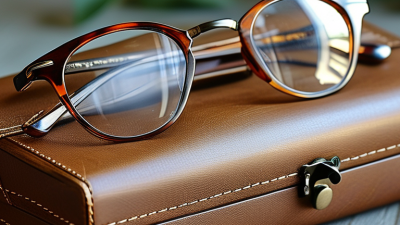
Choosing the best men’s eyeglass case starts with protection, not appearance. The World Health Organization’s World Report on Vision estimates that at least 2.2 billion people live with vision impairment. For many, glasses are essential daily equipment. A dependable case should resist crushing, bending, and sudden drops. Press the lid gently. It should not flex easily. Check the hinge, clasp, and interior seams. Small failures become expensive quickly.
Material affects both safety and daily comfort. A molded polycarbonate or reinforced plastic shell usually provides stronger impact protection than thin fabric. However, hard cases can add bulk and crack after repeated stress. EVA offers useful shock absorption and lighter handling, while soft leather-like materials protect against scratches but may compress under pressure. The Vision Council’s 2023 Consumer Insights report indicates that roughly three in four American adults use some form of vision correction. That scale makes durability more than a personal preference.
Look for a soft, lint-free lining and enough depth for the frame without forcing it closed. Metal edges should stay away from the lenses. A practical test is simple: place the case in a crowded bag for one week, then inspect the closure and interior. It may reveal problems that showroom handling hides. I sometimes prefer a slightly larger case, although it takes more space. That choice feels inefficient, but tight storage can bend temples and damage lens coatings. Check cleaning instructions, too. Some materials age badly with heat, moisture, or repeated rubbing.
Comparative assessment of common case materials across protection, material performance, and expected durability.
Scores use a 0–10 comparative scale based on commonly reported material characteristics: shell stiffness and impact resistance for protection, resistance to moisture and abrasion for material performance, and expected resistance to repeated everyday use for durability. Rigid polycarbonate generally provides the strongest protection, while EVA offers good cushioning with lower weight. Leather and fabric cases can be attractive and lightweight, but their protection depends more heavily on construction, lining, and closure quality.
How to Choose the Best Mens Eyeglass Case?
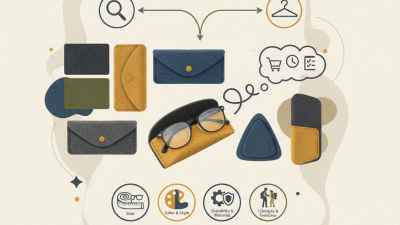
Choosing the right case size starts with measuring your glasses, not guessing from appearance. Record the frame width, lens height, temple length, and folded depth. A case should hold the glasses without bending the temples or pressing against the lenses. Leave a small amount of extra space. Too much room allows movement, which can cause scratches over time.
Fit matters as much as protection. Place the folded glasses inside and gently shake the closed case. They should stay still, but the case should not require force to close. Check the hinge area carefully, since tight pressure can distort the frame. A firm interior lining helps prevent contact with hard surfaces. Soft fabric alone may not protect glasses from heavy impact.
I once chose a case that looked compact and elegant. It was too narrow for the bridge. That mistake taught me to test the actual frame, not just compare dimensions online. Frames with thick temples or decorative details may need a deeper case. Sunglasses often require more space than standard eyeglasses. Try the case with your glasses before regular use. Inspect the closure, seams, and lining after several days. A case that fits perfectly at first may loosen or compress later. Keep cleaning cloths outside the main compartment when possible. They can take up useful space.
How to Choose the Best Mens Eyeglass Case?
A men’s eyeglass case should match the way you move daily. The Vision Council’s 2023 Consumer Insights report estimates that about three in four U.S. adults use vision correction. That makes case design a practical concern, not a minor accessory choice. For commuting, choose a slim case that fits a trouser pocket or small work bag. A rigid shell offers stronger protection during crowded travel. Soft cases feel lighter, but they may compress under books or electronics. Check the hinge and closure with one hand. Small details matter.
Storage capacity changes everyday convenience. A narrow case suits one pair and cleaning cloth. A deeper case can hold sunglasses, spare lenses, or a compact repair tool. However, extra space often increases bulk. The World Health Organization’s World Report on Vision links vision correction with the daily needs of billions of people, including more than two billion people with vision impairment. A case that prevents scratched lenses supports consistent use, especially during long workdays. Keep the interior smooth. Dust collects in rough seams.
I learned this through an annoying mistake: my compact case protected the lenses but crushed the frame arms. It was portable, yet poorly shaped. Measure your glasses before buying. Leave a little room around the frame. Not too much. Consider opening the case in a car, office, or dim restaurant. A secure closure helps, but an overly stiff one becomes frustrating. Storage should protect your eyewear without becoming another object to manage.
Choosing a men’s eyeglass case starts with your routine, not its color. The Vision Council’s 2023 Consumer Insights Report found that about three in four U.S. adults use vision correction. That makes protection a daily need, not a minor accessory. If glasses travel in a work bag, choose a rigid shell with a firm hinge. It should resist pressure from a laptop or notebook. For a jacket pocket, a slim hard case is more practical. Soft pouches look lighter, but they offer less crush protection. Check the interior lining. Microfiber should feel smooth, without exposed seams that can scratch lenses. A case that fits too tightly can also stress frames. Measure the folded glasses first.
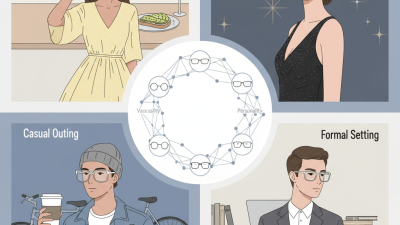
Style should support use. Neutral leather-like textures suit formal clothing, while woven fabric feels relaxed and easier to replace. Avoid choosing a case only because it looks expensive. Grand View Research valued the global eyewear market at USD 115.90 billion in 2022 and projects strong growth through 2030. More eyewear means more cases competing for attention, but higher price does not guarantee better construction. I once bought a handsome case with a weak magnetic closure. It opened inside my bag. That was my mistake. Test the closure repeatedly. Check whether the case stands flat and opens with one hand. For value, compare hinge quality, lining, weight, warranty terms, and replacement cost. The Vision Council report also highlights varied purchasing habits, so personal frequency matters. Daily users need durability. Occasional users may prefer compact storage. Reconsider your habits after a week.