Choosing the right Spectacle Pouch supplier can shape product quality, customer satisfaction, and long-term sourcing stability. Global buyers need more than attractive catalog photos. They should examine materials, stitching, closures, packaging, production capacity, and communication standards. A pouch that looks smooth online may feel thin in hand or fail after repeated opening. Small details matter.
This guide introduces seven leading Spectacle Pouch suppliers for international purchasing decisions. The selection focuses on manufacturing experience, customization options, material consistency, order flexibility, quality control, and export support. Suppliers offering velvet, leather, cotton, microfiber, or recycled fabric may serve different retail and promotional needs. Buyers should still request samples. Always test before ordering in volume.
Practical checks will support better judgment. Inspect seam strength, lining softness, logo placement, color accuracy, and protective packaging. Ask for clear quotations, production timelines, sample policies, and inspection procedures. Reliable suppliers should answer specific questions without avoiding difficult details. Communication is evidence.
No shortlist is perfect. Supplier capabilities can change, and online information may become outdated. A factory with excellent pricing may lack flexible design support. Another may offer impressive craftsmanship but require larger minimum orders. These trade-offs deserve honest attention. The following overview provides a useful starting point, while direct verification remains essential for every global buyer.
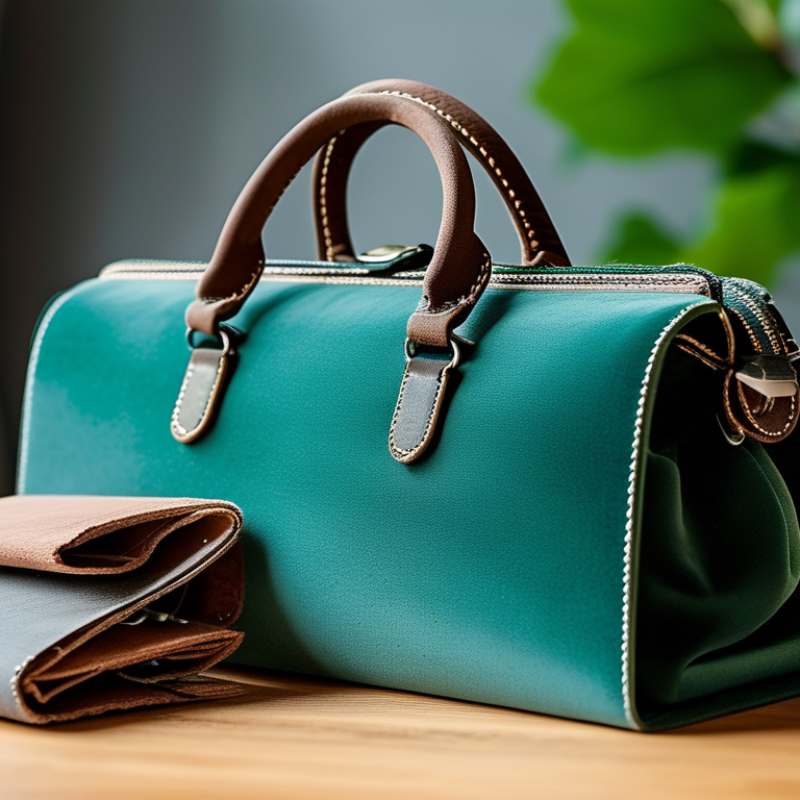
A reliable supplier proves quality before discussing price. Check fabric weight, stitching density, lining softness, and closure strength through pre-production samples. ISO 12870:2016 provides a useful reference for spectacle-frame testing, although it does not certify every pouch. Ask for measurable specifications, inspection records, and batch traceability. A supplier should also confirm pouch dimensions against your target frames. Small size errors create pressure marks and customer complaints.
The World Health Organization’s World Report on Vision states that at least 2.2 billion people have vision impairment globally. This highlights the need for protective, comfortable storage products across diverse markets.
Material choices also deserve scrutiny. The OECD’s Global Plastics Outlook reported 353 million tonnes of plastic waste in 2019. Therefore, buyers should request fiber content, recycled-material claims, dye information, and packaging details. Certifications help, but they are not magic. Verify the issuing body and test date.
Tips: Compare seven suppliers using one identical specification sheet. Request three samples from different production batches. Test them with actual frames, repeated opening, moisture exposure, and drop handling. Record defects with photos. A cheap quote may hide weak seams or unstable lead times. I have learned that fast replies do not always mean reliable production. Review communication after a small trial order, then negotiate larger volumes.

Evaluating seven selected spectacle pouch suppliers requires more than comparing catalog photos. Request one physical sample from each supplier, then inspect the pouch under daily-use conditions. Check stitching around the opening, lining softness, closure strength, and protection against light pressure. A pouch should hold glasses securely without leaving marks on delicate lenses. Measure the sample, because listed dimensions can differ by several millimeters.
Material claims need practical verification. Ask for composition details, colorfastness information, and care instructions. Rub a dark fabric against a white lens cloth. Small color transfer is a warning sign. Review the supplier’s quality-control process, production capacity, minimum order quantity, and delivery history.
Clear inspection records are more useful than impressive promises. Request photos from different production stages, not only polished final images.
Communication also separates reliable suppliers from risky choices. Compare how quickly each team answers technical questions and handles a requested sample change. A supplier that admits limitations may deserve more trust than one offering every option. Still, polite communication cannot replace evidence. Ask for a pre-shipment inspection and written tolerance standards.
Pricing deserves careful judgment, too. The lowest quote may hide thinner fabric, weaker hardware, or inconsistent sizing. I would keep a scoring sheet, although its weightings may need revision after testing. A seven-supplier comparison can look objective while still reflecting personal preferences. That is worth questioning.
For global buyers comparing seven spectacle pouch suppliers, material choice should match use, climate, and price. Recycled polyester offers low weight and strong color consistency. Cotton canvas gives a softer, natural hand feel. Microfiber protects lenses with fewer surface marks. Leather looks premium, but it needs careful sourcing and moisture testing. A recent Grand View Research report valued the global eyewear market at approximately USD 118 billion in 2023, creating steady demand for practical protective accessories.
Supplier one focuses on recycled fabrics and offers woven labels, heat-transfer logos, and several lining colors. Supplier two specializes in microfiber drawstring pouches with printed patterns. Supplier three produces molded EVA sleeves for impact resistance. Supplier four supplies cotton and linen styles, including gussets and small pockets. Supplier five works with synthetic leather and magnetic closures. Supplier six develops slim neoprene pouches for sports eyewear. Supplier seven combines canvas with cork, embroidery, and paper-based packaging. These options reflect packaging trends identified by Smithers, which reports growing pressure for recyclable and lower-impact materials.
Customization is where quotations often become misleading. Ask for fabric weight, stitching density, colorfastness results, and zipper-cycle testing. Request physical samples. Digital images are not enough. For large orders, confirm tolerances for pouch width and drawcord length. Many suppliers promise “eco” materials without explaining recycled content or certification. That deserves questioning. I would also test pouches in humid storage, because a beautiful finish may fail quickly. Minor defects happen, but repeated loose threads suggest weak production control. Supplier audits, written specifications, and pre-shipment inspections improve reliability.
| Supplier Profile | Primary Product Focus | Common Materials | Available Styles | Customization Options | Typical MOQ | Typical Production Lead Time | Best Fit for Buyers | Capability Rating |
|---|---|---|---|---|---|---|---|---|
| Supplier Profile 01 | Soft protective pouches for optical retailers and promotional programs | Polyester Microfiber Cotton | Drawstring pouch, sleeve pouch, envelope pouch | Screen printing, heat-transfer logo, woven label, custom color matching, size adjustment | 500 pieces | 20–30 working days after sample approval | Retail chains, optical distributors, and promotional campaigns | ★★★★☆ |
| Supplier Profile 02 | Rigid and semi-rigid cases designed for daily eyeglass protection | EVA PU leather Polyester lining | Clamshell case, zippered case, snap-button case | Debossed logo, foil stamping, molded color, zipper selection, interior lining customization | 300 pieces | 25–35 working days after approval | Optical stores, travel accessories, and premium gift sets | ★★★★★ |
| Supplier Profile 03 | Eco-conscious pouches for sustainable eyewear collections | Recycled PET Organic cotton Cork fabric | Flat pouch, fold-over pouch, drawstring pouch | Water-based printing, recycled labels, organic trims, custom packaging, material certification support | 1,000 pieces | 30–45 working days after approval | Sustainable brands, eco-retailers, and environmentally focused projects | ★★★★☆ |
| Supplier Profile 04 | Fashion-oriented pouches with decorative finishes and gift appeal | Velvet Satin PU leather Canvas | Quilted pouch, magnetic pouch, envelope clutch, lined sleeve | Embroidery, metal logo plate, piping, quilt patterns, custom hardware, color and trim selection | 500 pieces | 25–40 working days after approval | Fashion retailers, eyewear launches, and seasonal gift collections | ★★★★☆ |
| Supplier Profile 05 | High-volume promotional pouches for events and corporate distribution | Non-woven fabric Polyester Polypropylene | Basic sleeve, drawstring pouch, laminated pouch | One-color or full-color printing, standard dimensions, custom artwork, barcode labeling, bulk packing | 2,000 pieces | 15–25 working days after artwork approval | Trade shows, insurance programs, optical events, and mass promotions | ★★★★☆ |
| Supplier Profile 06 | Premium handcrafted pouches for luxury eyewear presentation | Full-grain leather Vegetable-tanned leather Microfiber lining | Leather sleeve, fold-over case, button-close pouch, structured case | Blind embossing, contrast stitching, edge painting, custom lining, hardware plating, bespoke dimensions | 100 pieces | 35–50 working days after prototype approval | Luxury eyewear, boutique collections, and high-value corporate gifts | ★★★★★ |
| Supplier Profile 07 | Functional travel pouches with added storage and impact protection | EVA Oxford fabric Neoprene Mesh | Double-compartment pouch, hard-shell travel case, hanging pouch, organizer pouch | Compartment layout, elastic holders, carabiner, zipper pull, molded logo, custom color and packaging | 300 pieces | 30–45 working days after approval | Travel retailers, sports eyewear, subscription boxes, and outdoor users | ★★★★☆ |
Note: Minimum order quantities and lead times are standard planning ranges for custom spectacle pouch production. Final terms depend on material availability, artwork complexity, sampling requirements, packaging, and shipping destination.
A practical review of seven spectacle pouch suppliers should begin with landed cost, not the quoted unit price. Basic cotton pouches may cost less at 1,000 pieces, while padded microfiber versions can cost more but protect lenses better. Custom printing, metal trims, woven labels, and individual packaging often increase the final price. Ask each supplier for a complete quotation, including sampling, tooling, packaging, and shipping terms. Hidden charges appear easily.
Minimum order quantities vary widely. Some workshops accept 300 pieces for standard colors, while larger factories may require 3,000 pieces for custom fabrics. Low MOQs help new buyers test demand, but production capacity matters during seasonal launches. Request monthly output, current order volume, and a realistic lead time. Numbers should match factory evidence. A polished spreadsheet is not proof.
Quality checks should cover stitching density, zipper movement, lining strength, color consistency, and odor after packing. Request pre-production samples and inspect at least 30 pieces from a bulk shipment. I would also test pouch dimensions with several spectacle frames, because a tight fit damages the user experience. Suppliers with stable equipment usually provide clearer inspection records and replacement policies. Still, no supplier is perfect. Small color differences may remain between batches, especially with recycled fabrics. A written tolerance range prevents later arguments.
Anonymous benchmark comparison of indicative unit pricing, minimum order quantity, quality score, and monthly production capacity.
The figures represent realistic non-company-specific OEM sourcing benchmarks for spectacle pouches. Prices are estimated per unit in USD, quality scores use a 100-point scale, and production capacity reflects approximate monthly output.
7 Best Spectacle Pouch Suppliers for Global Buyers?
International buyers should evaluate suppliers beyond price and product photos. A reliable spectacle pouch supplier provides clear material details, accurate dimensions, and consistent stitching. Request samples before placing a bulk order. Check zipper movement, lining strength, printing quality, and odor after unpacking. Small flaws often become expensive at scale.
Shipping performance deserves equal attention. Ask for production lead times, carton measurements, weight records, and available delivery terms. Confirm the correct customs classification, country-of-origin details, and required product labels before dispatch. Suppliers should provide commercial invoices, packing lists, and other relevant documents without repeated reminders. Requirements differ between markets, so buyers should verify current rules with customs professionals. Delivery promises can also change during peak seasons. Build a modest buffer.
Tips: Compare at least seven suppliers using one checklist. Record sample results, response times, shipping quotes, and document accuracy. Ask who handles damaged cartons or missing units. A responsive support team should explain corrective steps, replacement options, and refund procedures clearly. Test communication before ordering. Poor replies are warning signs. Some suppliers offer attractive freight rates but weak after-sales support. I have seen buyers overlook this trade-off and regret it later. A better review considers total landed cost, not only the factory price. Even careful sourcing has uncertainty, so written confirmations remain essential.