Inquiry
Form loading...

What Are the Top Types of Eyeglass Frames?

The articles and source material mentioned in your request were not included. I can’t responsibly invent industry statistics or attribute an unverified statement to a named eyewear expert. Please provide the articles or the expert’s name and quote, and I can write the requested introduction accurately.
What Are the Top Types of Eyeglass Frames?

Eyeglass Frame Types by Lens-Rim Construction

Full-rim frames enclose the lens all around, creating a defined outline and shielding its edges from everyday knocks. They feel sturdy. This construction can suit thicker prescription lenses, though the visible rim may make a frame look heavier.

Semi-rimless designs hold the lens along one edge, commonly using a fine cord to support the exposed edge. They look lighter. The open area can show lens edges more clearly, and the cord needs proper tension and occasional inspection.

Rimless frames attach the temples and bridge directly to drilled lenses, leaving almost no surrounding frame visible. The result is visually minimal, but drilling and mounting place more demands on lens material and careful fitting. Not every lens is suitable; an optician should check the prescription, lens thickness, and intended use before recommending this style. Appearance alone is a poor guide. A practical test is to handle a frame gently and ask how repairs are done. That detail is easy to overlook.

Full-Rim Frames: Structure, Support, and Style

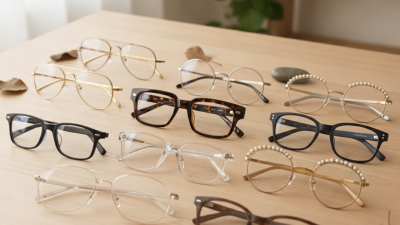
Full-rim frames surround each lens with a continuous band, creating a defined outline around the eyes. This structure can help hold lenses securely and protect their edges during everyday handling. It may also make thicker lens edges less visible with some prescriptions. The frame does not make a lens lighter, though. Fit still matters. A pair that slides down or presses behind the ears can feel uncomfortable, even when its construction is solid.

Material and shape change the experience. Acetate frames often feel substantial and offer a range of colors, while metal designs can look finer and feel lighter. Neither is automatically better; hinge quality, nose fit, and frame width deserve attention. Try reading and looking down while wearing a pair. Does it shift? Small details count. Full rims create a stronger visual border, which may suit a bold look but feel heavy to someone seeking a barely-there appearance. Lens thickness, prescription, and frame dimensions should be assessed together by an optical professional. A wide frame may expose more lens edge, not less. Choosing by appearance alone is tempting, and sometimes that first choice deserves a second look.

Semi-Rimless Frames: A Balance of Coverage and Lightness

Semi-rimless frames keep a visible rim across the top while a fine cord secures the lens along its lower edge. This open design can make glasses feel visually lighter than full-rim frames. It also leaves more of the lens exposed, which some wearers prefer for a less covered look.

The lighter appearance does not mean every pair feels weightless. Fit, lens thickness, and frame material all matter. When trying them on, notice whether the nose pads sit evenly and the temples rest comfortably behind your ears. A qualified optician can check that the lenses suit the frame’s mounting system and your prescription. Small details matter.

There is a trade-off. The exposed lower edge may be more vulnerable to knocks, and the retaining cord needs occasional inspection. I’d be cautious about handling the lenses by their edges; fingerprints and pressure can make the open construction feel less carefree than it looks. Still, for someone who wants a clear field of view and a restrained frame outline, semi-rimless styles can offer a thoughtful middle ground. A little adjustment may be needed.

What Are the Top Types of Eyeglass Frames? - Semi-Rimless Frames: A Balance of Coverage and Lightness

Frame Type How It Holds the Lenses Coverage and Appearance Weight and Feel Practical Considerations
Full-Rim A complete frame surrounds each lens. Offers a defined outline and covers the lens edge around its perimeter. Weight varies with the frame material, size, and lens choice; it may feel more substantial than a minimal design. The surrounding rim helps protect lens edges in everyday use. A wide choice of shapes and materials is available.
Semi-Rimless A frame rim usually supports the upper part of each lens; a thin nylon cord or similar system holds the exposed lower edge. Provides a visible upper frame line while leaving part of the lens perimeter open for a less enclosed look. Often feels lighter than a comparable full-rim design, though the actual weight depends on frame and lens materials. The lens edge needs a suitable groove and careful fitting. Follow the optician’s guidance on lens material and handling, as the exposed edge can be more vulnerable to impact or chipping.
Rimless The bridge and temples attach directly to drilled or otherwise mounted lenses, with no surrounding rim. Has a minimal appearance with most of the lens outline unobstructed. Can be lightweight, although the lens material and hardware affect the finished weight. Requires lenses designed for the mounting method and careful handling; the exposed lens edges and mounting points may be more susceptible to damage.
Mixed-Material Combines materials, such as a metal front with acetate temples, in either a full-rim or partial-rim construction. Can combine a prominent front with contrasting details or a different look at the temples. Feel depends on the materials, construction, and fit; mixed materials do not automatically make a frame lighter. Check that the bridge and temples fit comfortably and that the frame can be adjusted appropriately by an eyewear professional.

Rimless Frames: Minimal Design and Lens Attachment

Rimless eyeglass frames keep the area around each lens open, creating a light, understated appearance. Small screws or similar fittings attach the bridge and temples directly to drilled lenses. With no visible rim, your eyes remain the visual focus. The frame can also feel less prominent on your face.

That minimal look depends on accurate fitting. A trained optician checks the lens shape, drilling points, and alignment before assembly. Small adjustments matter. If the temples sit unevenly, the glasses may feel lopsided or rest poorly. Rimless designs can also be less forgiving of knocks than frames with a full surrounding rim. That is worth considering if your glasses often get tossed into a bag.

Lens material and prescription affect whether a particular rimless design is suitable. An optician can assess those details and explain any trade-offs. Handle the glasses by the bridge rather than pulling on one temple, and store them in a firm case when not in use. Still, tiny screws can loosen over time; regular fit checks help catch movement before it becomes annoying.

How Frame Shapes and Materials Create Further Variations

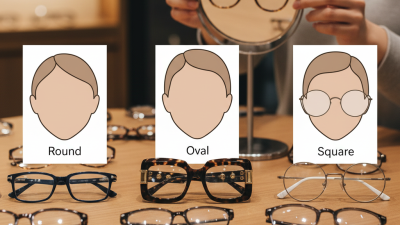
Frame shape changes more than appearance; it affects how glasses sit and frame the face. Round frames soften angular features, while rectangular styles add definition to softer contours. These are useful starting points, not rules. A frame that looks balanced in a photograph may feel too wide or heavy in person.

Material adds another layer of variation. Acetate can support bold colors and thicker rims, but dense designs may feel heavier across the nose. Stainless steel and titanium frames often allow slimmer profiles and adjustable nose pads. Fit still depends on construction, not material alone. Check the bridge, temple length, and hinge movement before deciding.

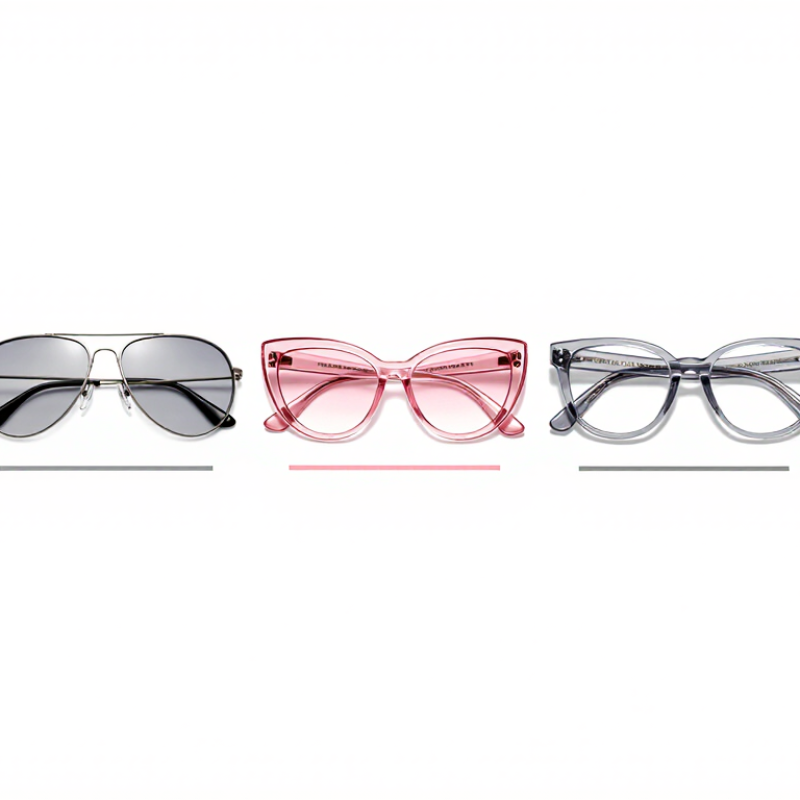
Small details matter. A subtle cat-eye lift can make a frame feel expressive without changing its overall size. Browline designs draw attention upward, while rimless frames leave more of the lenses visible. Lens shape and prescription can also affect the final look; stronger prescriptions may need smaller lenses to limit edge thickness. Try frames under natural light, and notice whether they slide when you look down. I sometimes find a favorite shape less comfortable after an hour. That is worth considering.

How to read this chart: Approximate material density helps explain why frame materials can feel different in hand, but it does not determine a frame’s total weight on its own. Frame shape adds another layer of variety: common styles include round, oval, rectangular, square, cat-eye, aviator, and rimless designs.

Approximate material densities in grams per cubic centimeter; actual values vary by formulation and alloy.