Inquiry
Form loading...
Finding a China Top Slim Reading Glasses Case Supplier requires more than comparing prices. A reliable partner should understand optical accessories, retail packaging, and daily user habits. The right Slim Reading Glasses Case protects lenses without adding unnecessary bulk. It should fit easily into a shirt pocket, handbag, or desk drawer.
Experienced suppliers usually offer materials such as EVA, PU leather, microfiber, and durable plastics. Each option creates a different balance between weight, protection, appearance, and cost. A practical supplier can explain these differences clearly. They should also provide samples before mass production. Check the hinge, lining, closure, stitching, and surface finish by hand. Small defects become expensive when thousands of cases are shipped.
Quality control matters. Ask about incoming material checks, production inspections, and final packing reviews. Product dimensions should match the intended reading glasses, not only a standard sample. Branding may include embossing, screen printing, labels, or custom color matching. However, customization can increase lead times and minimum order quantities. That detail is easy to overlook.
No supplier is perfect. That is worth remembering. Strong communication can reduce avoidable mistakes. Request clear drawings, approved samples, realistic production schedules, and documented inspection results. A professional factory should answer questions with evidence, not vague promises. It should also describe packaging, shipping terms, and after-sales procedures honestly.
The best choice depends on your market, budget, order volume, and quality expectations. A careful comparison reveals whether a Chinese supplier can deliver consistent cases, responsive service, and dependable long-term support. Reliability is built gradually.
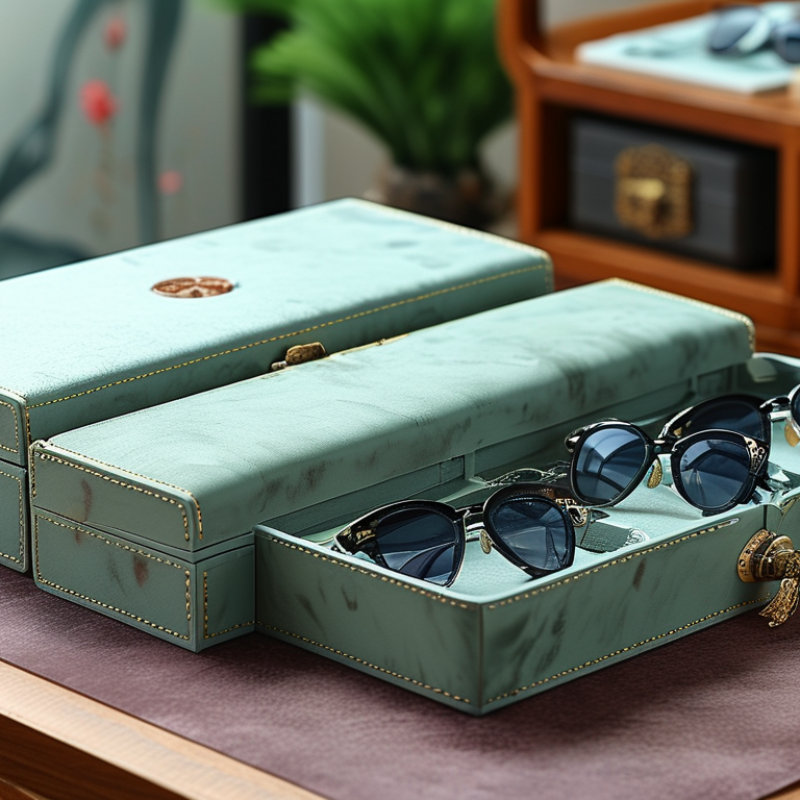
A slim reading glasses case is a compact protective holder designed for everyday readers. It usually protects folded glasses from scratches, dust, and pressure inside a pocket or handbag. Unlike bulky hard cases, its narrow profile saves space and feels easier to carry. Common materials include molded plastic, metal, fabric, and synthetic leather. The best choice depends on frame size, hinge strength, and daily use. A case should close securely without squeezing the lenses. This detail is often overlooked.
From a product sourcing perspective, reliable suppliers should provide clear measurements, material information, sample approval, and quality checks. A useful case needs more than an attractive surface. The lining should stay soft, while the shell should resist light impact. I once selected a case that looked slim but felt too tight. It was a practical mistake. Dimensions must be tested with real reading glasses, not only measured on paper.
Tips: Measure the widest frame before ordering. Check the inner lining for loose fibers. Test the hinge repeatedly. Avoid cases that bend near the closure. Consider a small grip area for easier opening. A slightly thicker case may offer better protection, especially for metal frames or glasses carried with keys. Supplier communication also matters. Ask for production samples, packing details, and inspection standards before confirming larger quantities.
A slim reading glasses case is a compact protective holder designed to store and carry reading glasses while using less space than a traditional hard-shell case. The specifications below summarize common product characteristics and practical selection criteria.
| Data Dimension | Typical Specification | Practical Description | Buyer Consideration |
|---|---|---|---|
| Primary Purpose | Storage and daily carrying | Protects reading glasses from scratches, dust, light pressure, and accidental contact with other items. | Choose a case that matches the glasses' folded size and the user's carrying habits. |
| Common External Length | 145–170 mm | Most slim cases are designed for compact reading glasses and standard adult spectacles. | Measure the folded frame before selecting the case; oversized frames may require a longer model. |
| Common External Width | 50–75 mm | The width is generally narrower than that of a full-size eyeglass case. | Wider frames and spring-hinge temples may need additional internal clearance. |
| Common External Thickness | 20–35 mm | A slim profile helps the case fit inside pockets, handbags, backpacks, and desk drawers. | Thinner designs save space but may provide less impact protection than thick rigid cases. |
| Typical Weight | Approximately 20–80 g | Weight varies according to the shell material, lining, closure, and reinforcement. | Lightweight construction is useful for travel and everyday carry. |
| Outer Material Options | Polyurethane, polyester, nylon, leather, metal, or polypropylene | Soft materials reduce weight, while rigid materials generally offer stronger compression resistance. | Material choice should reflect durability, appearance, cost, and sustainability requirements. |
| Interior Lining | Microfiber, polyester fabric, velvet, or soft nonwoven fabric | A soft lining helps reduce lens scratches and protects frame surfaces during storage. | Check that the lining is lint-resistant and securely attached to the interior. |
| Structural Type | Soft pouch, semi-rigid shell, or rigid slim case | Soft pouches are flexible; semi-rigid cases balance portability and protection; rigid cases provide the highest structural support. | Select the structure based on whether the case will be carried in a pocket, bag, luggage, or work environment. |
| Closure Methods | Magnetic flap, zipper, snap button, elastic band, or drawstring | The closure keeps the glasses inside the case and helps prevent accidental opening. | Magnetic and snap closures allow quick access, while zippers offer more complete enclosure. |
| Glasses Compatibility | Folded reading glasses; single-vision and low-profile frames | Most slim cases are intended for folded spectacles rather than bulky sports or oversized frames. | Confirm internal dimensions, hinge width, lens height, and frame curvature before production or purchase. |
| Protection Level | Scratch protection and light-pressure protection | A slim case protects lenses and frames during normal carrying but may not withstand heavy compression. | Use a reinforced or rigid design when the case may be placed under books, tools, or luggage. |
| Portability Features | Flat profile, wrist loop, belt loop, or carabiner attachment | Additional attachment features make the case easier to access while traveling or working. | Attachment hardware should be securely stitched, riveted, or integrated into the shell. |
| Customization Areas | Color, material, lining, closure, logo placement, and packaging | Manufacturers can commonly adjust visual and functional details for retail, promotional, or optical-use requirements. | Request samples to verify color consistency, printing quality, dimensions, and closure performance. |
| Quality Inspection Points | Stitching, edge finishing, dimensional accuracy, odor, lining adhesion, and closure strength | These checks help identify defects that could affect appearance, durability, or lens safety. | Use approved samples and written inspection criteria for repeat orders. |
| Packaging Options | Individual polybag, paper sleeve, gift box, or recyclable paper packaging | Packaging protects the case during transport and can support retail presentation. | Choose packaging according to shipping protection, sustainability goals, and target sales channel. |
| Best Use Scenarios | Home, office, commuting, travel, reading, and promotional distribution | The compact format is suitable for users who carry reading glasses regularly and need quick access. | Match the design, material, and packaging to the intended user group and distribution environment. |
Note: Dimensions and weights are typical industry ranges rather than fixed standards. Final specifications should be confirmed with a physical sample and the folded dimensions of the intended reading glasses.