What is Polarized Eyeglasses and How Do They Work?
Polarized Eyeglasses have gained immense popularity in recent years. According to a report by Statista, the global eyewear market is projected to reach around $160 billion by 2025, with polarized lenses making up a significant portion. These lenses reduce glare from surfaces like water or roads, improving visual clarity and comfort.
However, not all consumers fully understand the benefits of Polarized Eyeglasses. Many assume that all sunglasses provide the same benefits. In fact, research shows that polarized lenses can enhance contrast and improve depth perception. Yet, about 67% of individuals are unaware of these advantages.
Choosing the right pair of polarized sunglasses is crucial. Quality can vary significantly among brands, leading to confusion. While cheaper options might look appealing, they often lack proper polarization. Thus, understanding Polarized Eyeglasses is essential for making informed choices in the marketplace.
What are Polarized Eyeglasses and Their Key Features?
Polarized eyeglasses are designed to reduce glare from surfaces like water, roads, and snow. This feature makes them popular for outdoor activities, such as fishing and skiing. The lenses contain a special filter that blocks horizontally polarized light. At the same time, they allow vertical light to pass through, enhancing visual clarity.
One key aspect is their ability to improve contrast in bright conditions. This can make a significant difference when driving or engaging in sports. However, it’s essential to remember that polarized lenses can sometimes make it difficult to see digital screens. Many users find themselves frustrated when trying to use their phones or GPS devices while wearing them.
The fit and style of polarized eyeglasses also matter. Finding the right pair can be challenging. A poor fit might lead to discomfort during extended wear. Some people may rush into buying without considering how well they suit their face shape. Taking a moment to reflect on these points can ensure better choices in selection.
The Science Behind Polarization: How Light Interacts with Lenses
Polarized eyeglasses are designed to reduce glare. They do this through a special lens structure. This structure filters light waves, allowing only certain orientations to pass through. The result? Clearer vision and reduced strain on the eyes.
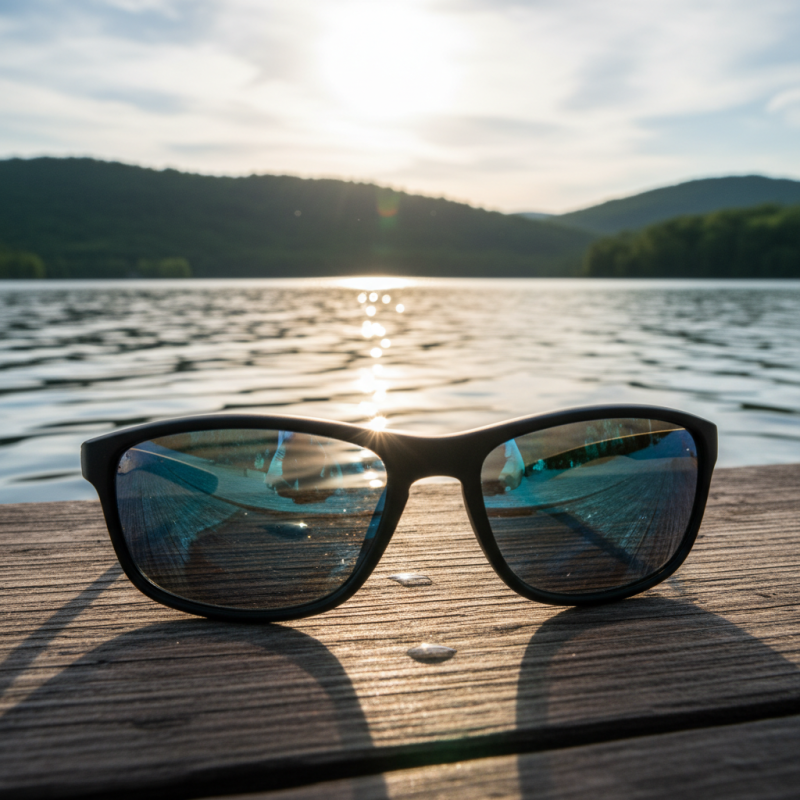
Light generally travels in waves. These waves can oscillate in various directions. When sunlight hits a flat surface, like water or a road, it reflects and creates horizontal waves. These waves cause a blinding glare. Polarized lenses contain a special filter. This filter blocks those horizontally polarized waves. Thus, you see less glare and enjoy the scenery more.
But it’s not all perfect. In certain situations, polarization can be confusing. For example, when viewing LCD screens, the lenses might darken the display. This unexpected effect can frustrate users. It’s crucial to understand these nuances when choosing polarized eyewear. Adjusting to new lenses takes time and thought.
Benefits of Wearing Polarized Eyeglasses for Eye Protection
Polarized eyeglasses are designed to reduce glare from surfaces like water, roads, and snow. This feature enhances visual comfort and clarity. According to a report by the American Optometric Association, glare significantly affects vision, impacting safety in activities like driving. The light reflected off horizontal surfaces can lead to discomfort and even temporary blindness. Polarized lenses filter this reflected light, offering clearer vision.
Wearing polarized eyeglasses provides substantial benefits for eye protection. Research indicates that over 20 million Americans experience vision problems related to glare. These lenses not only reduce glare but also enhance contrast, making colors more vibrant. This is crucial for outdoor activities. A study published in the Journal of the American Medical Association noted that prolonged glare exposure could result in long-term eye damage. Increased usage of polarized lenses may help minimize such risks.
Polarized lenses don't just improve vision; they can also prevent eye fatigue. By alleviating strain, they contribute to overall eye health. However, not everyone understands their value. Many still choose standard lenses, neglecting the protective benefits. Awareness around polarized eyewear remains insufficient. Creating a broader understanding may be the key to improving public eye health.
Comparison of Polarized vs. Non-Polarized Lenses in Outdoor Activities
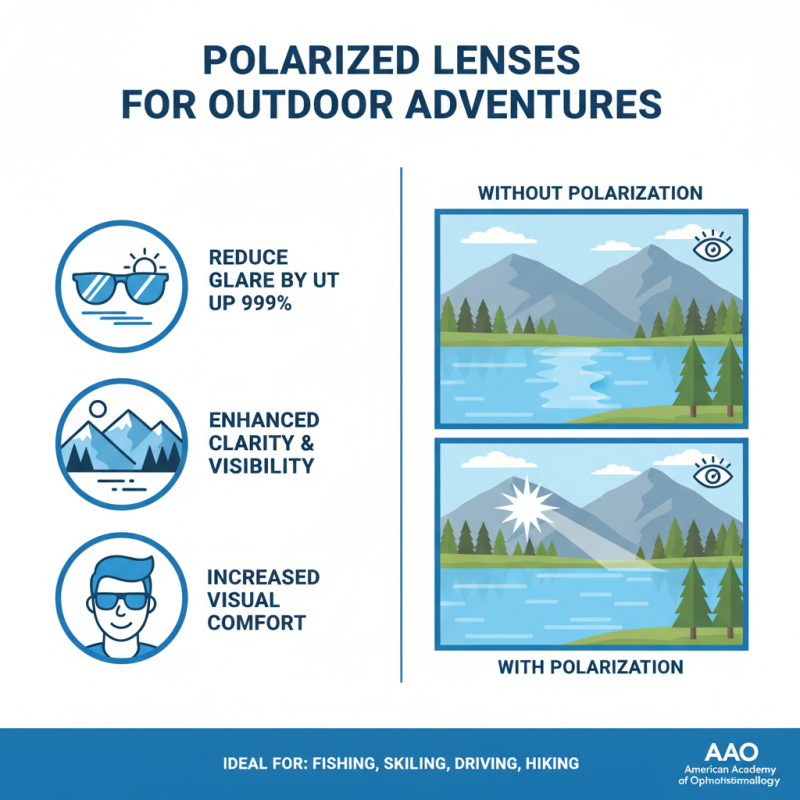
Polarized lenses are popular in outdoor activities. They reduce glare from surfaces like water and snow. This feature enhances visibility and comfort. According to a report by the American Academy of Ophthalmology, polarized lenses can reduce glare by up to 99%. This reduction improves clarity without straining the eyes.
Non-polarized lenses, on the other hand, do not possess this glare reduction feature. They can cause eye fatigue during prolonged exposure to bright environments. Many outdoor enthusiasts report headaches from glare while using non-polarized lenses. Additionally, polarized lenses are more effective for activities like fishing or skiing, where glare is common.
However, polarized lenses can have limitations. They may affect visibility on LCD screens, making them difficult to read. This inconvenience can be frustrating for some users. Despite their benefits, not everyone needs polarized lenses. Non-polarized options can still provide adequate protection against UV rays. It's crucial to assess your specific needs before choosing the right eyewear for outdoor adventures.
Popular Applications of Polarized Eyeglasses in Sports and Daily Life
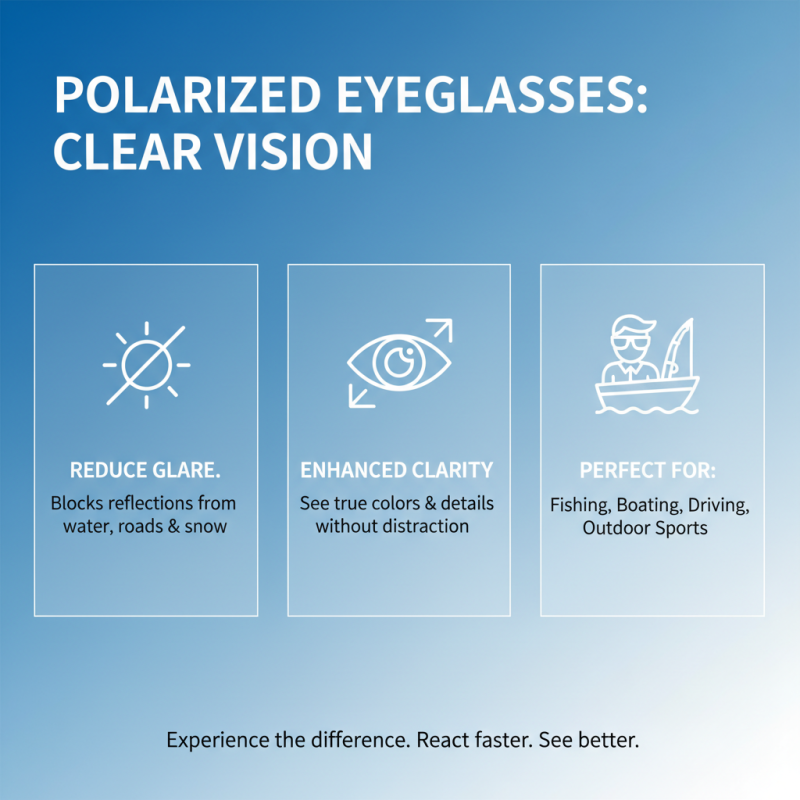
Polarized eyeglasses are becoming increasingly popular in sports and everyday activities. They help reduce glare from surfaces like water or roads. This feature is essential for those who enjoy fishing or boating. When you wear these glasses, you can see clearly without the distraction of reflections. Glare can hide important details, making it challenging to react quickly.
In daily life, polarized glasses are beneficial while driving. They improve visibility by reducing the harsh brightness from the sun. This can lead to safer driving experiences. Many outdoor enthusiasts also rely on polarized eyewear during hiking or cycling. It allows them to appreciate the scenery without the annoyance of bright reflections. However, not everyone finds them comfortable. Some may experience distortion or a color shift.
While these glasses serve great purposes, they are not perfect. The effectiveness can vary depending on the light conditions. People might hesitate to invest in polarized lenses due to this uncertainty. Yet, when used appropriately, they enhance vision and make outdoor activities more enjoyable. The clarity they provide can transform how you experience the world around you.