Choosing a Cute Sunglasses Case for 2026 involves more than matching a pastel color to your wardrobe. The case must protect lenses, fit daily habits, and remain comfortable inside a small handbag. Grand View Research reports that the global sunglasses market reached approximately USD 20.58 billion in 2023. Its Sunglasses Market Size, Share & Trends Analysis Report projects continued growth through 2030. More sunglasses purchases create a practical need for better storage.
A pretty case can still fail.
Look for a firm shell, smooth hinges, and enough internal space for your frame. Oversized sunglasses may need deeper protection than slim metal styles. A soft microfiber lining can reduce dust and minor surface contact. However, no fabric removes the need for careful cleaning. The American Optometric Association recommends regular lens care with suitable materials, rather than rough clothing or paper products. That guidance makes the lining and opening design worth examining.
Sustainability also matters in 2026. Euromonitor International’s Voice of the Consumer: Sustainability 2024 identifies continued consumer attention toward durable, responsible products. Therefore, consider recycled fabric, replaceable components, and packaging that avoids unnecessary layers. These features should be verified through product specifications, not attractive claims alone. The cutest option may use fragile decorations that shed quickly. That is an easy mistake.
A reliable choice balances charm with measurable protection. Check dimensions, closure strength, weight, cleaning instructions, and return policies. Then compare those details with your actual routine. A Cute Sunglasses Case should look delightful, but it should also survive crowded commutes, warm car interiors, and repeated opening. Some preferences remain subjective. That is acceptable. Good selection still begins with evidence.
How to Choose a Cute Sunglasses Case for 2026?
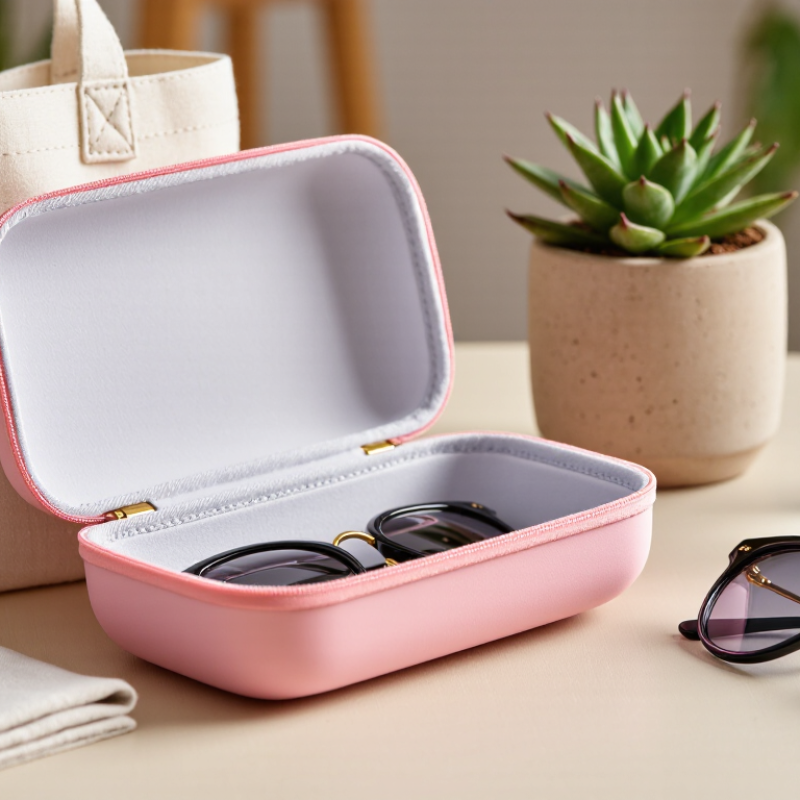
A cute sunglasses case should look charming without sacrificing protection. In 2026, playful colors, soft textures, and compact shapes are popular choices. However, appearance is only one part of good design. A sturdy case should resist pressure inside a handbag or backpack. A hard outer shell protects frames better than thin fabric alone. The inside should have a smooth microfiber lining. It helps reduce dust and small scratches. Check the case width, too. Oversized cases waste space, while tight cases may bend the arms.
Tips: Match the case with your daily routine. Choose a lightweight style for commuting. Pick a firm clasp if you travel often. A zipper should move smoothly and avoid catching the lining. Look for an easy-clean surface, especially with pale colors. Test the hinge several times before buying. Small details matter.
Cute does not always mean practical. I once chose a pastel case because it looked lovely, but its weak closure opened inside my bag. That was inconvenient. I also underestimated how quickly textured fabric collects lint. Now, I inspect the stitching, corners, and interior before judging the design. A simple flower detail or curved silhouette can add personality without making the case bulky. Recycled materials may appeal to thoughtful shoppers, but check their durability and care instructions. A reliable case should protect your glasses daily, not merely look attractive in a product photo.
How to Choose a Cute Sunglasses Case for 2026?
A cute sunglasses case should match your style without sacrificing real protection. Hard-shell cases made from EVA or molded polycarbonate resist pressure inside a crowded handbag. They suit oversized frames and people who travel often. Soft fabric cases feel lighter and more flexible. However, they may not protect curved sunglasses from books, keys, or accidental bending. I once chose a beautiful velvet pouch that offered little structure. It looked charming, but that was a poor trade-off.
Check the interior before judging the exterior. A smooth microfiber lining helps reduce lens scratches and collects less dust. Recycled fabric can feel modern and responsible, while coated canvas handles daily spills better. Leather-like materials add a polished appearance, but they may become stiff or marked over time. Choose colors that reflect your wardrobe. Pastel tones feel playful, while dark neutrals appear more professional. The case should close firmly, but not squeeze the frame.
Tips: Measure your sunglasses first. Leave a little room around the temples and lenses. Test the hinge, stitching, and closure several times. A magnetic flap may look elegant, yet it can open inside a full bag. Zippers offer stronger security, though they can catch delicate fabric. If the case feels too tight, choose another one. Style matters, but damaged lenses matter more.
A practical comparison of popular case materials, protection levels, fit, and style.
| Case Type | Typical Material | Protection Level | Approx. Weight | Best Frame Fit | Style Direction | Care and Buying Notes |
|---|---|---|---|---|---|---|
| Hard Shell | EVA foam with fabric or synthetic leather covering | High protection against crushing, scratches, and everyday impacts | Approximately 70–130 g | Medium to oversized frames; check the internal length and width | Pastel colors, quilted textures, bows, florals, and playful prints | Choose a soft lining and a smooth zipper. A rounded shape looks cute but may reduce usable space at the corners. |
| Semi-Hard Clamshell | Molded plastic or compressed fiberboard with textile lining | Medium to high protection for bags and desk storage | Approximately 50–100 g | Standard and medium-width frames | Minimal, geometric, color-blocked, or compact “book-style” designs | Look for a secure hinge or magnetic closure and enough depth for folded temples. |
| Polycarbonate Case | Polycarbonate outer shell with microfiber or polyester lining | High impact resistance with a firm protective structure | Approximately 80–150 g | Large, thick, or angular sunglasses | Glossy colors, translucent finishes, bright patterns, and modern shapes | A durable choice for travel. Wipe the shell with a slightly damp cloth and avoid abrasive cleaners. |
| Aluminum Case | Thin aluminum shell with fabric, foam, or microfiber interior | Very high crush resistance when the hinges and lining are well made | Approximately 100–220 g | Standard to large frames; verify interior clearance | Polished, metallic, vintage, or clean industrial looks | Excellent for luggage protection, but metal can add weight. Check that the interior has no exposed sharp edges. |
| Padded Fabric Pouch | Quilted polyester, cotton canvas, or recycled polyester with light padding | Low to medium protection against scratches and minor pressure | Approximately 20–70 g | Slim and standard frames | Soft colors, embroidered details, checks, stripes, and handmade-inspired designs | Best for a handbag or home drawer. Select a snug closure such as a zipper, snap, or drawstring. |
| Microfiber Sleeve | Microfiber fabric, sometimes with a drawstring top | Low protection; mainly prevents dust and lens scratches | Approximately 10–30 g | Slim, flexible, and small frames | Simple, lightweight, monochrome, or understated cute patterns | Do not use it when the sunglasses will be placed under heavy objects. Wash according to the care label. |
| Leather or Synthetic Leather Case | Leather, polyurethane-coated fabric, or other coated synthetic material | Medium protection, depending on internal padding and structure | Approximately 60–160 g | Standard and medium frames | Classic, elegant, quiet luxury, or retro-inspired styling | Keep away from prolonged moisture and direct heat. A soft interior is essential to protect lenses. |
| Foldable Travel Case | Fabric or synthetic leather panels with foam, cardboard, or flexible plastic support | Medium protection with efficient storage when folded | Approximately 60–140 g | One or more slim-to-medium frames, depending on the layout | Organized, practical, colorful, and travel-friendly | Useful for packing several pairs. Confirm that each compartment closes securely and does not press on the lenses. |
Quick sizing rule: Measure the sunglasses when folded, then choose a case with internal dimensions at least 5–10 mm longer and wider than the frame. The case should close without pressing on the lenses or bending the temples.
A cute sunglasses case should look charming, but size and protection matter more. According to Grand View Research’s 2024 sunglasses market report, the global market is growing steadily through 2030. More sunglasses also mean more cases facing daily wear.
Measure the sunglasses when folded. Record frame width, lens height, and bridge thickness. Choose a case with 5–10 millimeters of extra internal space. Too much room allows movement and scratches. Too little space can press against the lenses. A rigid shell protects better inside crowded bags. Look for a soft microfiber lining, a secure closure, and reinforced hinges. Water-resistant fabric helps, but it is not fully waterproof. I used to prefer the smallest case. That choice was convenient, but it often stressed thick frames.
Tips: Test the case with the glasses inside. Shake it gently. The glasses should not slide. Press the lid lightly. It should resist contact with the lenses. Check the case’s stated dimensions, not only its outer appearance. The Vision Council’s consumer research shows that eyewear remains a regular daily-use product, so repeated opening and closing deserves attention. For stronger protection, select materials tested against impact or compression standards, such as relevant ASTM or ISO specifications. Cute details are welcome, but loose decorations may catch on bag fabric. A slightly imperfect fit is better than forced storage.
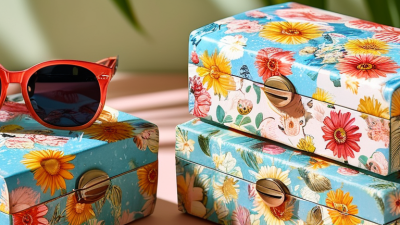
When choosing a cute sunglasses case for 2026, color is becoming a personal style choice. Soft butter yellow, powder blue, lilac, and muted sage are appearing in cheerful everyday designs. Cherry red adds energy without looking childish. Metallic silver also feels fresh, especially with simple black sunglasses.
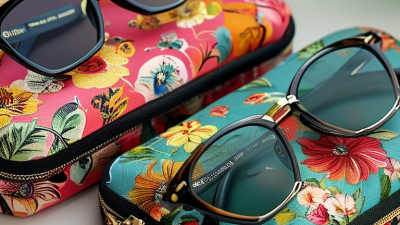
Patterns are getting smaller and more wearable. Tiny gingham checks, hand-drawn flowers, wavy stripes, and playful fruit shapes can make a case memorable. I prefer patterns with moderate contrast because they stay attractive after months of use. Very pale prints look lovely in photos, but they can show fingerprints and makeup stains quickly. I learned that the hard way.
Details matter more than decoration alone. Look for a firm shell, a smooth zipper, and a soft microfiber lining that will not scratch lenses. A rounded shape may fit easily in a small handbag, while a flat case saves space. Scalloped edges, contrast stitching, fabric bows, and small removable charms are trending in 2026. Keep charms secure. Loose pieces can catch on bag straps. I once chose a beautiful case with a weak clasp, and it opened inside my bag. Cute, but impractical. Check the hinge clearance too, since narrow cases may press against larger frames.
How to Choose a Cute Sunglasses Case for 2026?
A cute sunglasses case should protect your lenses, not merely match your outfit. I check the shell, hinge, lining, and closure before noticing its color. A firm case should resist gentle pressure without feeling bulky. Soft microfiber lining helps reduce scratches and dust. I once bought a charming fabric case that collapsed inside my bag. It looked lovely. It failed quickly. Measure your sunglasses before buying, especially if they have thick frames or curved arms.
Sustainability needs careful checking. Words like “eco-friendly” can sound impressive but reveal little. Look for clear material details, recycled content percentages, durable stitching, and repairable parts. A case made from recycled fabric may be useful, yet replacing it every few months creates more waste. Check the care instructions too. Easy cleaning can extend its life. Independent customer reviews often reveal loose seams, weak magnets, or unpleasant odors that product photos hide.
Price should reflect construction, not decoration alone. Compare similar cases by material, dimensions, warranty terms, and expected lifespan. A low price may suit occasional use, while daily travelers may need stronger protection. I usually calculate the cost per year of use. It is not perfect, because personal habits change. Still, this method exposes attractive bargains that wear out quickly. Choose a design you genuinely enjoy, but question whether its details support long-term use.
Compare case types by practical quality, sustainability, and value before buying. Scores use a 1–10 benchmark based on protection, material durability, repairability, recycled content, expected service life, and typical consumer pricing.
Hard-shell EVA cases generally provide strong impact protection at a moderate price. Recycled-fabric cases can reduce virgin material use while remaining lightweight. Leather cases may offer long service life but usually have a higher environmental and price cost. Choose the highest combined score that matches your daily use.