How to Choose the Best Spectacle Frames for Your Needs?
Choosing the right spectacle frames can feel overwhelming. With so many styles and options, how do you find what suits you? Dr. Emily Carter, an expert in optical design, says, "The perfect spectacle frames should reflect your personality and lifestyle." This insight emphasizes the importance of personal choice.
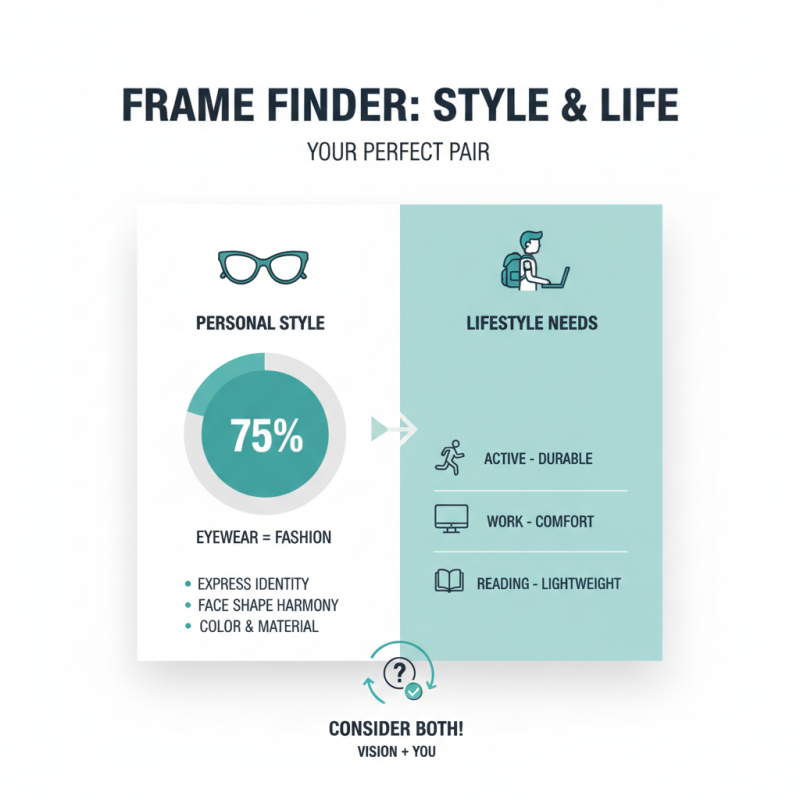
When selecting spectacle frames, consider your face shape and style preferences. Different shapes can complement or contrast features, making a big difference. You might find that a round frame softens angular features or that a bold, geometric design adds intrigue. Remember, the frames should not only look good but also feel comfortable. Comfort is paramount since you’ll wear them often.
Additionally, think about your daily activities. Are you an active person? You may need more durable frames. If you spend long hours in front of a screen, anti-reflective coatings are beneficial. Personal reflection is vital, as the right choice can enhance your confidence. Ultimately, let your unique style guide you toward the best spectacle frames for your needs.
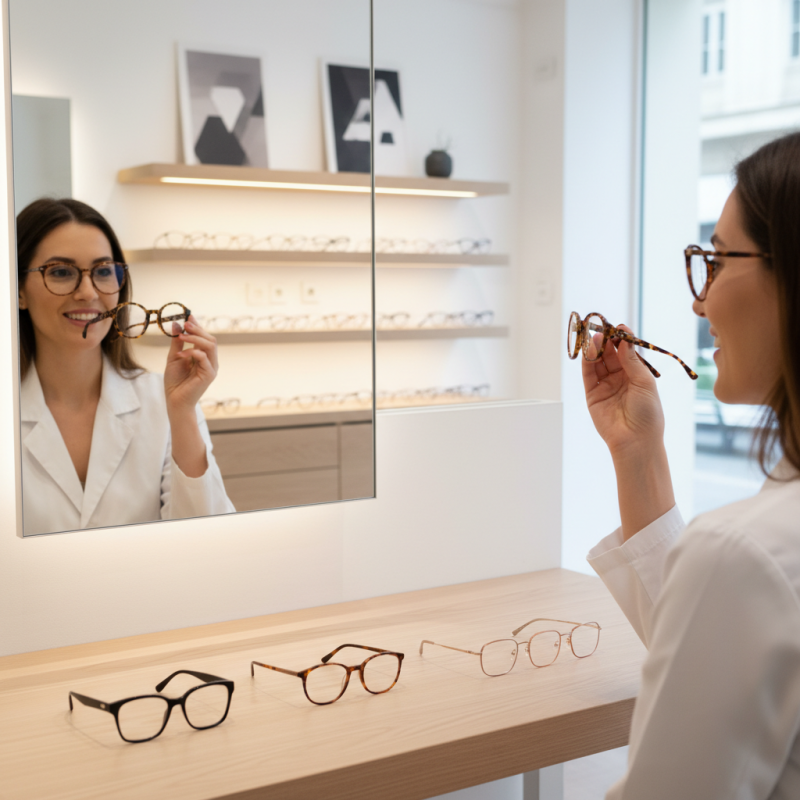
Understanding Different Types of Spectacle Frames Available
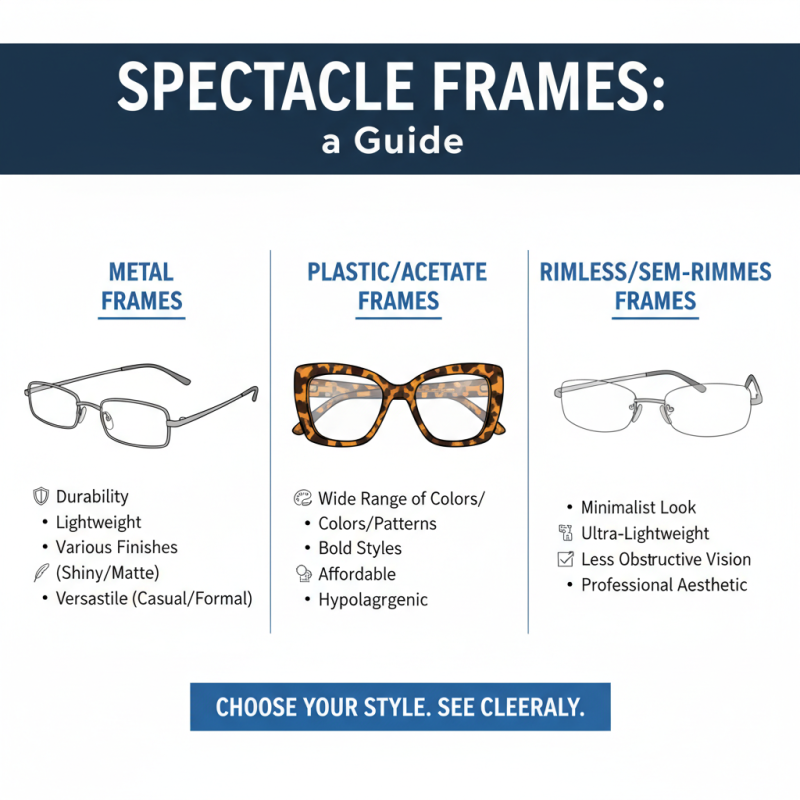
Choosing the right spectacle frames is crucial for comfort and style. Several types are available, each offering unique benefits. Metal frames are a popular choice due to their durability and lightweight feel. They come in various finishes, from shiny to matte. These frames often suit both casual and formal settings.
Plastic frames offer a wider range of colors and patterns, making them ideal for personal expression. They can be thicker, providing a bold look. However, they may not be as sturdy as metal ones. Consider your lifestyle when choosing between these materials.
Round frames may soften sharp facial features, while rectangular frames add structure. Try different shapes to see what complements your face best. Remember, comfort is key. Frames should not pinch or slide off your nose. Finding the right fit takes time and patience, but it’s worth it for a perfect match.
Assessing Your Face Shape for Optimal Frame Selection
Choosing the right spectacle frames is crucial for both comfort and style. A key factor in this decision is understanding your face shape. Different shapes naturally complement certain frame styles, enhancing your appearance. For instance, oval faces typically suit rectangular frames, providing a pleasing contrast. Square faces often benefit from round or oval frames, softening sharp angles.
When assessing your face shape, look closely in the mirror. Visualize your cheekbones, jawline, and forehead width. Are your features balanced? Understanding proportions can guide your choices. Heart-shaped faces may favor wider frames that balance a narrow chin. However, experimenting is essential. Sometimes, a frame that seems incorrect might surprise you.
It’s also essential to consider how frames fit your personality. The right style should reflect who you are. Trying various options allows you to discover preferences. A frame that feels too bold might become a statement piece. Alternatively, a classic choice might feel safe but lack excitement. Make mistakes, learn from them, and embrace your unique style journey.
Choosing the Right Material for Comfort and Durability
Choosing the right material for your spectacle frames is essential for comfort and durability. Plastic frames are lightweight, making them ideal for everyday wear. However, they may not withstand heavy impacts. Metal frames often offer greater durability but can be heavier. Consider how you use your glasses. If you lead an active lifestyle, a resilient material is crucial.
In addition to weight and strength, the flexibility of the material matters. Some materials bend under pressure without breaking. This can be beneficial for long-term wear. On the other hand, certain materials can irritate the skin. Allergies to metals can be a concern. Testing different materials is a good idea to find what works best for you.
Finding the right balance between comfort and durability is a journey. Sometimes, frames that seem perfect at first don’t feel right after a day. It's essential to give yourself time to adjust. Analyze how your frames fit and feel throughout the day. After all, the right pair should enhance your experience, not hinder it.
Choosing the Best Spectacle Frames: Material Comparison
Determining the Ideal Frame Size and Fit for Your Vision
When choosing spectacle frames, determining the ideal fit is crucial. The right frame size affects comfort and vision clarity. A frame that's too tight can create pressure points on your nose and ears. On the other hand, a loose frame may slide down your face, causing distractions.
Measuring your face is a good starting point. Consider the width of your face and the distance between your pupils. A general guideline is to maintain a gap of about two fingers between the frame and your temples. Additionally, ensure that the bottom of the lenses aligns with your pupils for optimal vision.
Choosing the right style also plays a role. Some shapes flatter certain face types better than others. Rectangular frames work well for round faces, while round frames can soften sharper features. Experimenting with different styles can lead to discoveries about what feels and looks best. Remember to prioritize comfort. An uncomfortable pair of glasses may end up collecting dust on a shelf.