How to Choose the Perfect Glasses Frames for Your Face Shape?
Choosing the right glasses frames can greatly impact your appearance and comfort. Different face shapes require different styles to enhance your features. Glasses frames should complement your face, not overwhelm it.
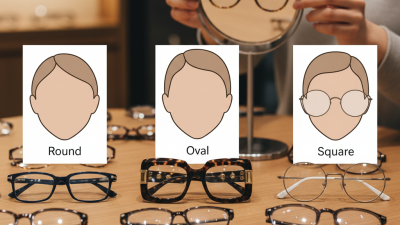
Consider your face shape carefully. Is it round, square, or oval? Each shape has its own unique appeal. For instance, round faces may benefit from angular frames. Alternatively, square faces look great in softer styles.
The right glasses frames can boost your confidence. They reflect your personality. It’s essential to experiment with various styles. However, remember that not every trendy frame will suit you. Always prioritize what feels right and looks good on you. Reflect on your choices, and don’t hesitate to seek advice from professionals.
Understanding Different Face Shapes: A Comprehensive Guide
Understanding your face shape is crucial when selecting glasses frames. A comprehensive study by the American Optometric Association indicates that the right frame can enhance both appearance and confidence. Different face shapes—oval, round, square, diamond, and heart—require specific frame styles to balance proportions and accentuate features.
For instance, individuals with round faces often benefit from angular frames. These can create contrast and elongate the look of the face. A report from the Vision Council shows that structured frames are preferred by 54% of those with round faces. On the other hand, square faces tend to look best with softer, rounded frames. They help soften sharp angles, adding harmony to the overall look.
Choosing glasses frames can often be overwhelming. Many people purchase frames without fully understanding their face shape. This lack of knowledge can lead to dissatisfaction with the final choice. A survey found that 38% of people were unhappy with their frames within the first year of wearing them. Taking time to evaluate face shape and frame compatibility is essential for a rewarding eyewear experience.
Understanding Face Shapes and Ideal Glasses Frame Types
Key Characteristics of Popular Face Shapes: Oval, Round, Square, Heart
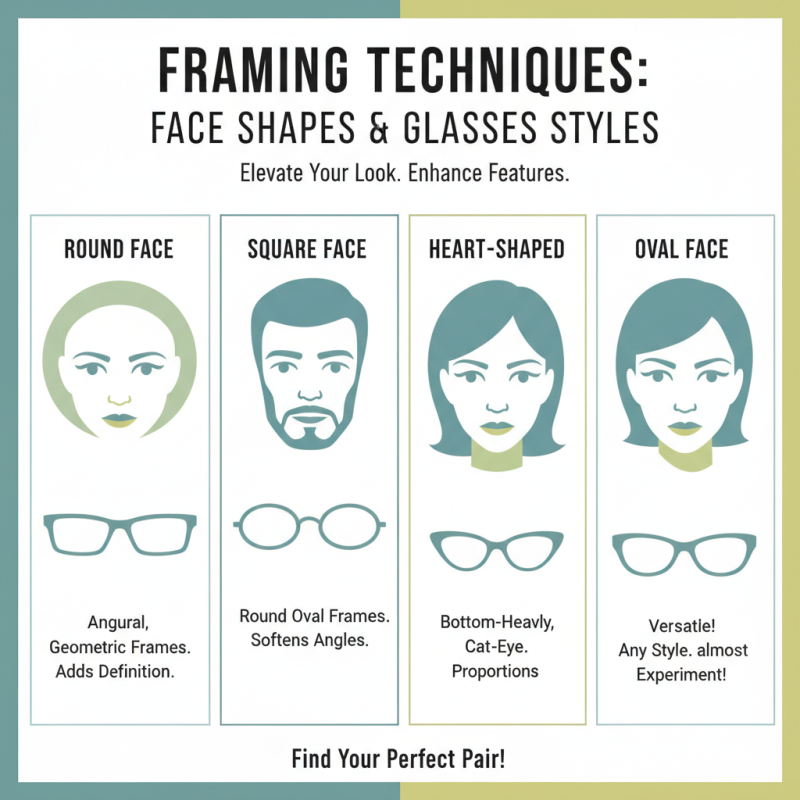
Choosing the right glasses frames can dramatically enhance your look. Understanding your face shape is the first step. There are several popular face shapes: oval, round, square, and heart. Each shape has unique characteristics that influence frame choice.
An oval face is well-balanced. It features a slightly wider forehead and a gently rounded chin. Recommended frames are square or rectangular. These styles provide contrast and highlight the natural curves of the face. The American Optometric Association notes that oval faces can wear many styles, making them quite versatile.
A round face tends to have equal width and length, giving it a softer appearance. Angular frames can lend structure, creating a more defined silhouette. Square or rectangular shapes work well here. According to Vision Council studies, round-faced individuals may benefit from frames that add length.
Heart-shaped faces are wider at the forehead and narrower at the chin. Frames that are bottom-heavy or round help balance these proportions. Cat-eye and aviator styles can look particularly flattering on heart-shaped faces. Always consider how frames will complement your features.
Tips: When selecting frames, prioritize comfort. Try them on and check for pressure points. Don't hesitate to seek professional advice based on your unique measurements. Remember, everyone's face shape is different and may not fit perfectly into standard categories. Reflect on what feels right for you.
How to Choose the Perfect Glasses Frames for Your Face Shape?
| Face Shape |
Key Characteristics |
Recommended Frame Styles |
| Oval |
Balanced proportions, slightly wider forehead and cheeks, tapering to a narrow chin. |
Square frames, rectangular frames, or cat-eye styles. |
| Round |
Fullness in cheeks, equal width and height, softer features. |
Rectangular frames, geometric shapes, or narrow frames. |
| Square |
Strong jawline, wide forehead, and equal dimensions of width and length. |
Round frames, oval frames, or any style that softens features. |
| Heart |
Wider forehead, high cheekbones, and narrowing towards the chin. |
Browline frames, aviators, or frames with rounded edges. |
Choosing Materials and Colors: The Impact on Comfort and Style
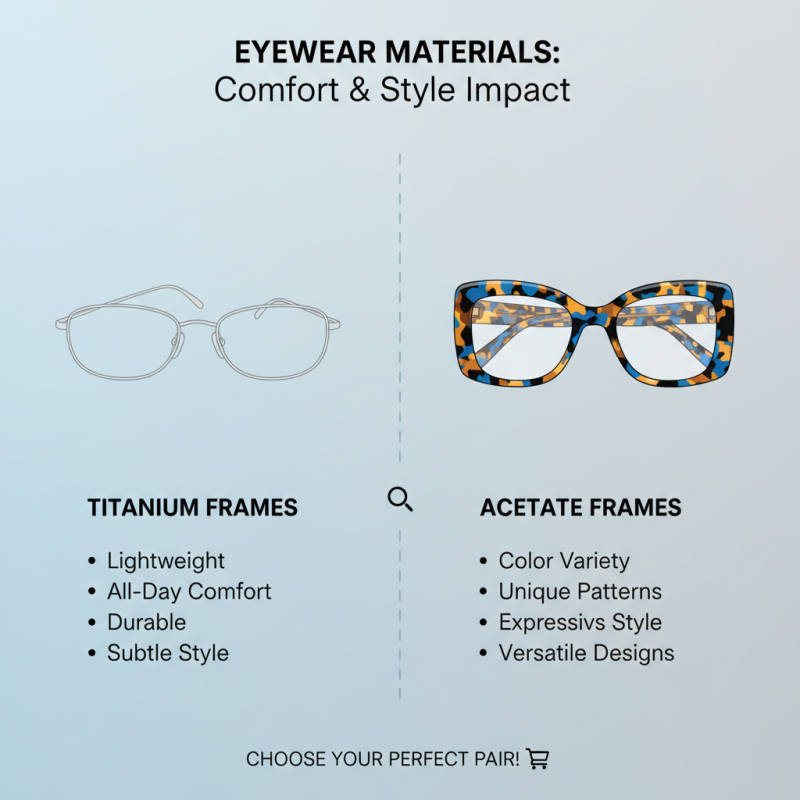
Choosing the right materials for glasses frames can greatly impact comfort and style. Lightweight materials such as titanium are ideal for everyday wear. They minimize discomfort, especially during long hours. On the other hand, acetate frames offer vibrant colors and unique patterns. This flexibility allows wearers to express their personality through their eyewear choices.
Color is another crucial element when selecting frames. Bright colors can enhance your overall look, but they may not suit everyone's style. Neutral tones may be safer but can lack excitement. Consider your skin tone and wardrobe when making this choice. It's essential to find a balance between personal preferences and practicality.
Another factor to ponder is how different shapes may affect your overall appearance. Thick frames can draw attention to your face, while thin frames may provide a more subtle look. Reflect on how you want to present yourself. Sometimes, it’s not just about looking good, but also about feeling confident in your glasses. Choosing the right materials and colors isn't always straightforward, but it's a personal journey worth exploring.
Professional Tips: Fitting Glasses for Optimal Vision and Aesthetics
Choosing the right glasses is crucial for both vision and style. According to a survey by the Vision Council, 75% of American adults wear some form of eyewear. Proper fitting of glasses can enhance both comfort and aesthetics, which is vital for daily wear. An ill-fitting frame can lead to headaches or discomfort over time. A research study from the American Optometric Association found that nearly one in four people do not have properly fitted eyewear.
When selecting frames, consider the shape of your face. The most common shapes include oval, round, square, and heart-shaped. For example, rectangular frames can soften the features of a round face. Likewise, round frames complement angular features of a square face. Professional opticians recommend getting a professional fitting to ensure that the frames sit correctly on your nose and ears, creating optimal alignment for your eyes.
Another critical aspect is the lens type. Progressive lenses are increasingly popular, providing multiple vision zones without lines. However, some users experience difficulty adjusting to them. An estimated 10% of wearers report discomfort during the transition period. It is essential to communicate with your eye care provider if you face challenges with new lenses. Proper fitting and lens selection are paramount to achieving a balance between functional vision and personal style.